Rust can be a car owner’s worst nightmare. Picture this: you’re admiring your vehicle’s gleaming paint under the sunlight, but then you notice those reddish-brown spots creeping across the metal. Rust not only affects the appearance of your car, but it can also weaken its structural integrity over time. Living in Akron, Ohio, where the weather poses a special challenge, makes rust protection all the more important. The local climate, marked by wet winters and road salt, can accelerate the rusting process, making it essential for vehicle owners to take proactive measures against it.
Preventing rust isn’t just about regular washes or keeping your car indoors. Choosing the right paint plays a big role in maintaining your vehicle’s condition. The right type of paint acts as a barrier between your car’s body and the elements, preventing moisture from getting to the metal. Let’s dig into what makes paint so important in the fight against rust and how different types can offer specific benefits.
The Importance of Choosing the Right Paint
Selecting the best paint for rust protection on your vehicle isn’t just about aesthetics. Here’s why it matters:
– Protection From Elements: The paint on your car functions as a guardian, shielding the metal surfaces from rain, slush, and road salt. Without this protective coat, even the smallest chip can lead to significant rust problems.
Durability: High-quality paint can better endure harsh weather conditions for longer periods. This means less frequent reapplications and a consistently rust-free appearance for your car.
– Cost-Efficiency: While it might be tempting to opt for cheaper paint, investing in a more reliable option can save money over time. You’ll avoid premature rust repairs and maintain your car’s value and longevity.
Using the right paint doesn’t just stop rust. It’s also about keeping your car looking great for years to come.
Types of Paints for Rust Prevention
There are several paints specifically crafted to combat rust:
1. Epoxy Primers:
– Benefits: They provide a strong adhesive property that helps paint stick firmly to the vehicle’s surface, reducing the chance of peeling and chipping.
– Application: Typically used as a base layer, epoxy primers are applied before any topcoat to ensure long-lasting protection.
2. Urethane Topcoats:
– Durability: Known for their high resistance to scratches and environmental damage, making them a popular choice for car tops.
– Protection: They add an extra layer of defense against rust by forming a durable surface that water and debris can’t easily penetrate.
3. Rust Converter Paints:
– How They Work: These paints transform rust into a more stable compound, halting the rusting process.
– Effectiveness: Ideal for areas already affected by rust, they seal the damaged area and prevent its growth.
Choosing the right type from these options can substantially affect how well-protected your car is against the dreaded rust. Each type offers unique advantages and best practices for application, so understanding the right situation in which to use them is key.
Factors to Consider When Choosing Paint
Choosing the right paint for rust prevention involves keeping several key factors in mind. Akron’s climate plays a big part in how effective certain paints will be. With its wet winters and use of road salt, selecting a paint that withstands moisture and corrosive substances is critical. Your car might face extreme weather, so it’s smart to consider paints known for their durability in such conditions.
Think about the type of vehicle you own and how you use it. Off-road vehicles may need more robust protection due to rough terrains, while a daily commuter might prioritize ease of maintenance and appearance. Additionally, consider your budget and the long-term value of different options. While some paints might have a higher upfront cost, they can save money by reducing frequent repairs and extending your car’s life.
Professional Application vs. DIY
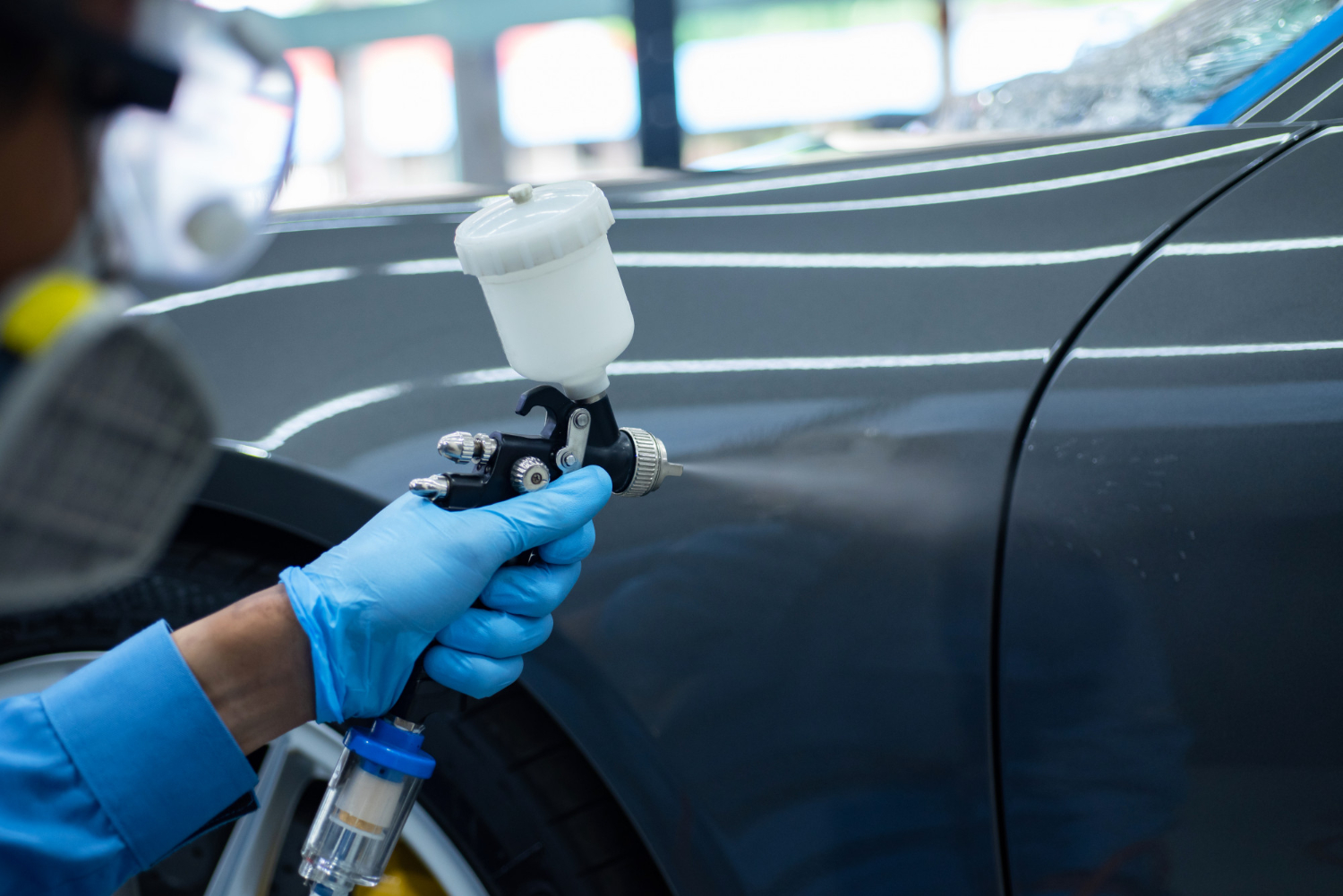
When it comes to applying rust-preventive paint, you have two main choices: doing it yourself or hiring a professional. Both options have their own advantages and challenges. Here’s what you should consider:
Professional Application:
Pros: Professionals bring expertise, ensuring the paint is applied evenly and effectively. They use high-quality tools and materials that are often unavailable to DIY enthusiasts.
– Cons: This option can be more expensive upfront, but it often provides the best long-term results.
Do It Yourself:
– Pros: DIY painting might save some money initially if you already have the necessary tools. It’s also a satisfying project if you enjoy hands-on work.
– Cons: Application might not be as reliable or durable if you’re not experienced. Mistakes could lead to imperfections that need correction later, potentially costing more in repairs.
While DIY can be tempting, a professional service typically ensures the most reliable and lasting protection against rust.
Keeping Your Vehicle Rust-Free
Rust prevention involves the right strategies and products, but maintaining that protection is equally important. Regularly check your car for any signs of wear and tear or chips that could expose the metal beneath. Addressing these issues quickly helps maintain the integrity of the paint and prevents rust from setting in.
Ultimately, keeping your car rust-free is about consistent care and choosing the right solutions. Proper paint choices, whether applied professionally or with DIY efforts, are integral to this process. In the long run, taking these steps and staying vigilant ensures your vehicle remains in great condition despite Akron’s challenging climate.
Choosing the right paint is key to preventing rust and keeping your vehicle looking its best. For those in Akron looking for long-lasting solutions, explore the best paint for rust protection at Krown Akron. Here, you can find more details about pricing and make an informed decision on the best options for your car.
RELATED SERVICE
Car Undercoating in Akron, OH