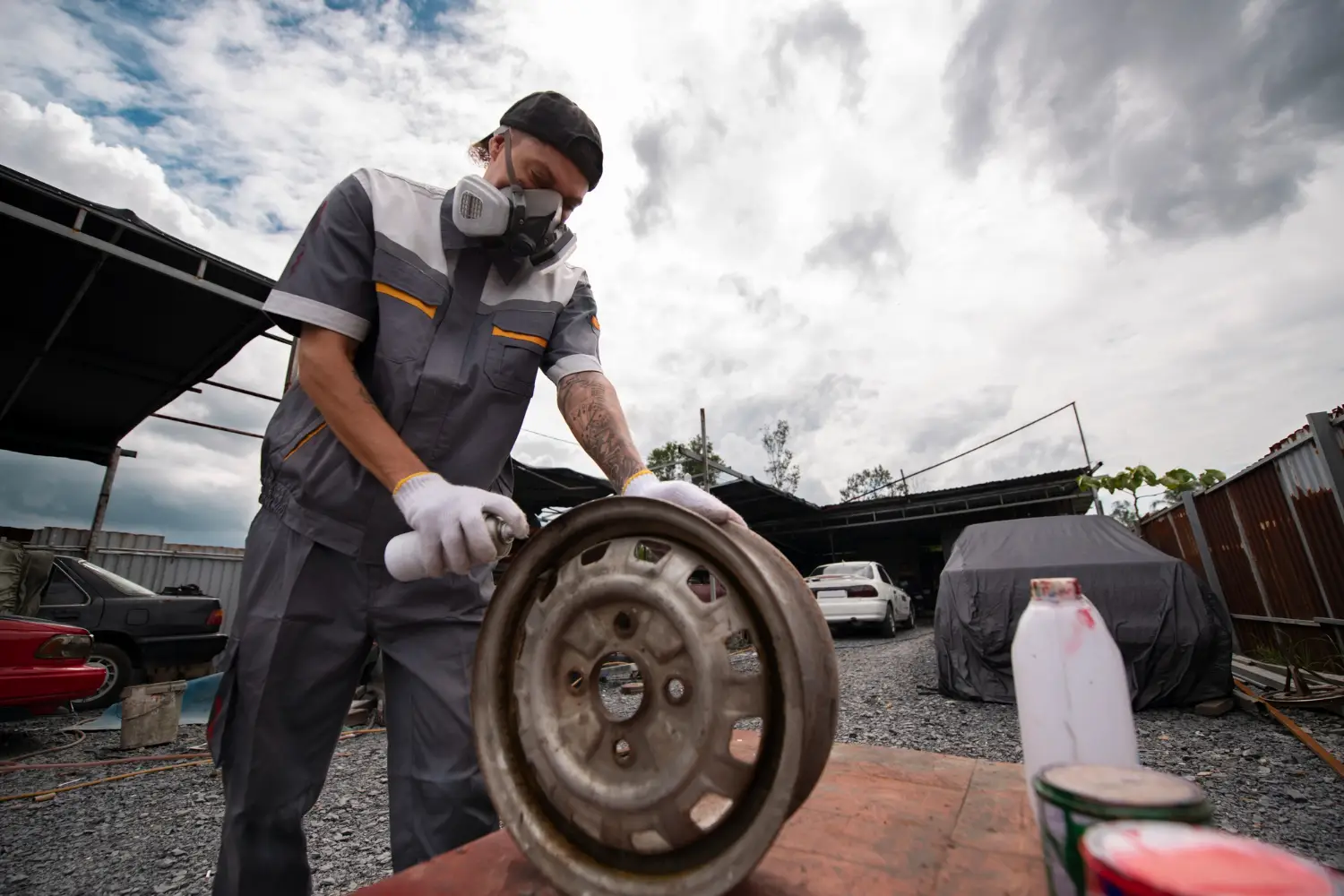
As winter fades and Akron, Ohio, enters the rainy side of early spring, it’s the perfect time to start prepping classic cars for the season ahead. These vehicles have history, charm, and value, but they need a little extra care to stay that way. One of the biggest things to deal with this time of year is rust. Washing, waxing, and covering can only go so far when spring brings wet roads, salt leftovers, and rising humidity.
All that moisture can work its way into cracks, seams, and hard-to-see spots under the car. By taking the right steps now, classic car rust protection can help preserve the metal, stop water damage before it spreads, and keep your vehicle solid through the year.
Why Classic Cars Are More at Risk in Spring
Spring may seem gentle, but it brings a mix of conditions that often make things worse for older cars. Classic vehicles tend to be more exposed in places that matter.
- Compared to newer rides, older cars often have less protective factory coating and more bare metal
- Roads in March still carry leftover salt that didn’t get washed away during winter
- As temperatures go up, moisture lingers longer under the frame and inside panel gaps
That combination makes perfect conditions for rust. What looks like a small surface patch can end up getting deep into fenders or underbody rails if not treated. Salt doesn’t just fall off either; it sticks to metal and keeps pulling in moisture from the spring air. Even in garages, spring humidity can sneak in and feed those early signs of corrosion.
What Makes Rust Protection Work for Classic Vehicles
Good rust protection isn’t just about spraying something on the surface. The way it works matters, especially with older vehicles. Classic car rust protection works best when it can get into areas where water hides and stays.
- Oil-based sprays move into cracks, gaps, and behind parts like trim or suspension arms where buildup starts
- Applying it hot and under pressure helps the coating spread and stick, even in hollow pieces or channels
- On metal that already shows rust, the spray gets deep into the rough surface, pushes out moisture, and finds healthy steel to seal
Krown’s product is solvent-free and safe on electrical connectors, and professional application is performed by certified technicians who are recertified each year. That deep reach matters more with older cars since their frames and panels often have aging seams and open spots. A product that sticks around and keeps flowing over time stays active, spreading anywhere moisture might go. This helps create a barrier before water can sneak back in.
Key Areas That Need Extra Attention
Not all rust shows up where you can see it. That’s especially true for classic cars, which often have hidden trouble spots from design features or limited sealing.
- Doors, fenders, and wheel wells can collect water that splashes up while driving
- Floor pans underneath the car are close to the pavement and exposed to constant spray
- The engine bay, especially around wiring and metal connections, can hold salt that creeps in and sticks
- Frame rails and rocker panels hold moisture if they aren’t properly coated
- Spaces above the spare tire often go untouched but trap water easily
A strong spray that flows through tight areas helps reach these spots. Some areas may already show signs of rust. If they look dry after spraying, that’s often because the coating soaked right into the metal past the corrosion to find what’s still strong underneath.
Getting Ready for Spring Car Shows and Weekend Drives
For many classic car owners, spring marks the start of car shows, weekend drives, and warm-weather road time. March is the right moment to prep before the season really kicks in.
- Roads are still damp this time of year, but they’ll dry out soon, which makes now the best window to get protection in place
- Getting it done now helps the coating settle before major driving begins
- Even cars stored over the winter may have picked up moisture or road salt before being parked
Prepping this early doesn’t just help stop rust, it makes cleanup easier month after month and keeps paint and metal in better shape when it’s time to show off. Classic cars usually turn heads because of their condition, and spring is when that condition can start to slip if rust gets moving under the surface.
What to Expect After a Rust Protection Application
After a full rust coating, there are a few things worth remembering about what happens next. The coating sticks around, but it needs a little time to settle in all the way.
- It may look like the product absorbed more in rusty areas compared to cleaner metal, that just means it’s working into the rougher surface
- Regular car washes are fine after about 1 to 2 days
- Wait around two to three weeks before using wash services that spray the underbody
Once coated, moisture will have a hard time sticking or soaking into the metal. Even parts that had early corrosion will feel dry and show signs that the product has soaked in. That invisible layer of protection goes a long way during the wet months before summer heat dries the roads completely.
Preserve the Look and Life of Your Classic
Spring prep isn’t only about cleaning. It’s about stopping problems before they start. Mid-March is right in that sweet spot where winter left its mark on the roads and spring weather hasn’t taken over fully yet. During this time, classic cars need more than a wipe-down. They need help where your eyes can’t reach.
Classic car rust protection in spring can block moisture before it starts eating through the frame or panels. For cars stored, shown, or driven daily, it’s a step that gives peace of mind through the changing seasons. A little time now helps bring that classic shine and strength into summer without letting rust set in that could have been stopped early.
For vehicle owners in Akron, Ohio, this window won’t last long. Once temperatures rise and spring storms roll in, rust spreads faster than it did during the cold. Getting ahead of it now keeps your classic car cleaner, stronger, and ready for the road.
Get your classic car ready for the roads in Akron, Ohio, by protecting vulnerable areas like frame rails and wheel wells before salt and moisture can cause damage. At Krown Akron, our process is designed to reach those hard-to-access spots and give your vehicle lasting protection. Keeping your ride in top shape is about more than appearance; it’s about safety and reliability for every trip ahead. To take the next step with your classic car rust protection, contact us today.
RELATED SERVICE
Car Rustproofing in Akron, OH