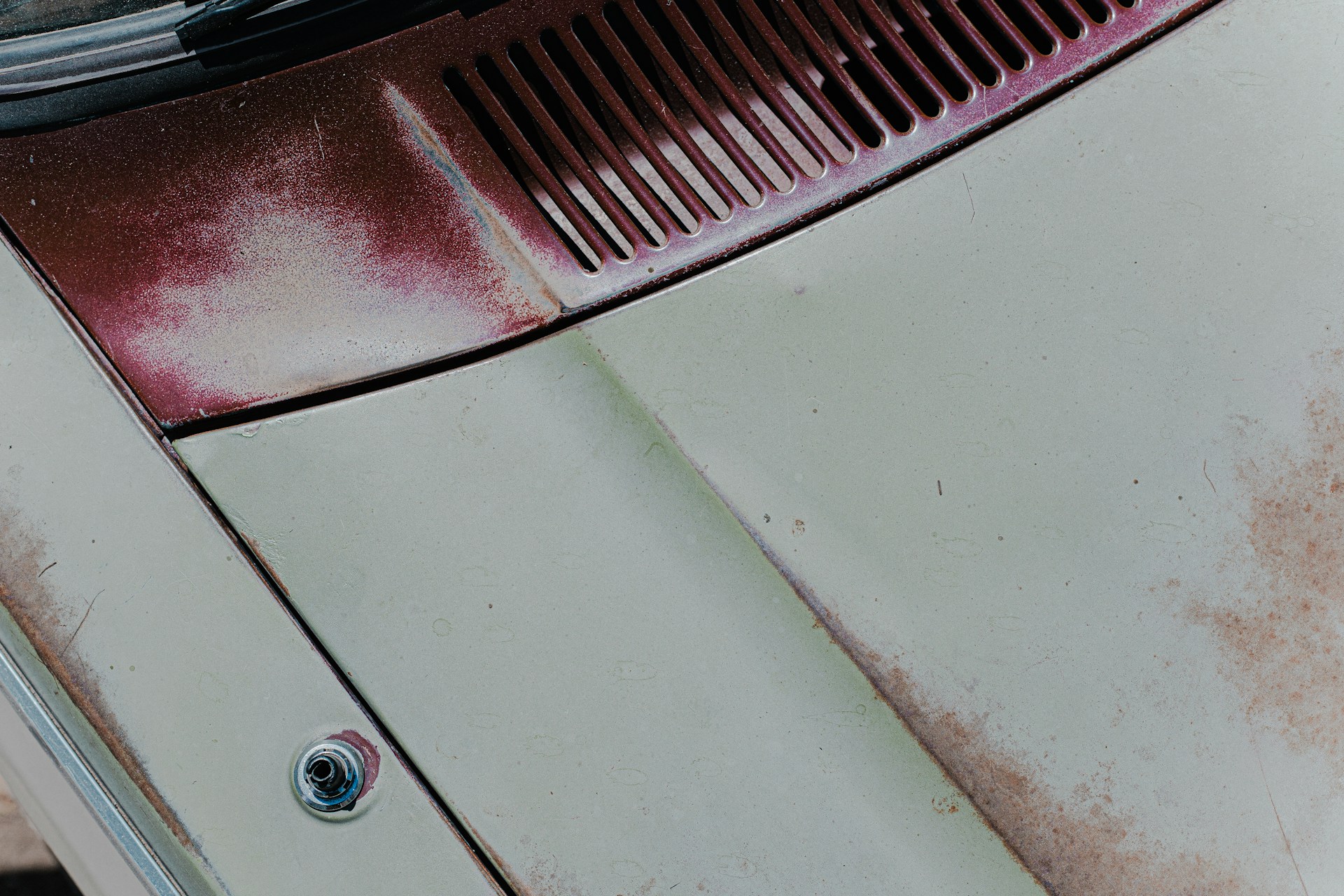
For those living near coastlines or planning a seaside getaway, the salty air and sea spray that make those areas so appealing can actually be quite tough on cars. Coastal environments accelerate rust development because salt, combined with moisture, prompts oxidation—this is a chemical reaction that eats away at metal. You may not notice it immediately, but over time, even minor exposure can lead to significant rust damage. This rings true whether you’re a permanent resident of a seaside town or an Akron resident enjoying a trip to the beach.
Understanding why rust protection is important could save you from hefty repair bills down the line. Rust doesn’t just tarnish your car’s appearance; it can weaken its structure, leading to safety concerns. Salt accelerates the rusting process by breaking down the protective coatings on your vehicle, leaving it vulnerable to corrosion. If you frequent coastal areas, knowing the risks can help you take the right steps to keep your car looking and working its best.
Impact of Coastal Environments on Vehicles
Coastal areas are delightful for family vacations and weekend getaways, yet they pose a hidden threat to your vehicle. There are two main players involved: saltwater and salty air. When water from the ocean splashes onto your car, it leaves salt deposits behind. This salt doesn’t just sit there—it actively attracts moisture from the air, creating the perfect conditions for rust to form. Over time, this can weaken the metal and lead to imperfections on your car’s exterior.
Salty air is another culprit. Even if your car doesn’t come into direct contact with seawater, the air is enough to cause trouble. This is because the tiny salt particles carried by the wind land on your car’s surface. Alongside frequent exposure to these conditions, especially in coastal areas, these factors create a harsh environment for your car. The impact manifests in several areas, from the exterior panels to critical parts like the undercarriage, which is often exposed to more moisture and road salt during colder months.
If you’ve noticed your car showing early signs of rust despite regular care, think about the time spent near water—and how even a short trip to the coast might have started the process. Fortunately, understanding how coastal environments affect vehicles can lead to effective prevention strategies.
Common Rust-Prone Areas in Coastal Conditions
Identifying where rust is likely to show up on your car can help you take proactive steps. Coastal conditions often mean parts of your vehicle are more exposed to salty air and moisture, making them rust hotspots. The wheel wells, for instance, accumulate not just road debris, but also moist, salty air, leading to rusting. The car’s undercarriage, often out of sight, catches road salt splatter and salty rain, accelerating the corrosion process. Pay attention to door edges and hood latches, too, as moisture can easily gather here, especially in coastal fog.
Regular inspection can prevent these issues from progressing. Here are some tips to keep an eye on rust-prone areas:
– Check under the car and in wheel wells every few weeks for any rust signs.
– Look out for paint bubbles or flaking in these areas, as they can indicate underlying rust.
– Clean these spots thoroughly after trips to the coast to remove salt residues.
– Apply a rust-inhibiting spray or coating, focusing on the vulnerable spots.
Detecting and addressing rust early can keep your vehicle safe, looking good, and working efficiently.
Effective Rust Protection Measures
Protecting your car from rust means staying a few steps ahead of the problem. When heading to the coast, there are practical ways to shield your car against potential damage.
First, washing your car frequently, especially after trips to the beach, helps remove salty deposits before they have a chance to cause corrosion. A good wash reaches not only the visible parts but also the wheel wells and undercarriage. Consider using a rust-resistant coating or wax to provide an extra layer of protection against moisture. These coatings work by sealing the car’s surface, reducing exposure to the elements.
Next, investing in treatments that inhibit rust can make a difference. Professional protective treatments often use a combination of sealants and barriers to prevent rust from taking hold. These are especially useful for parts prone to damage, like the undercarriage.
Remember, each of these steps strengthens your car’s resistance to rust. Understanding coastal risks and taking these preventive actions can save you from costly repairs and maintain your vehicle’s integrity. As you learn more about the ways to protect your car, consider adopting a year-round approach that aligns with your travels and local conditions.
Considering the challenging effects of coastal environments on your vehicle, maintaining consistent rust protection becomes essential. If you’re looking to safeguard your car and ensure it remains in top condition, discover more about rust protection for cars with Krown Akron. Stay ahead of potential rust issues and keep your car protected year-round.
RELATED SERVICE
Car Rustproofing in Akron, OH