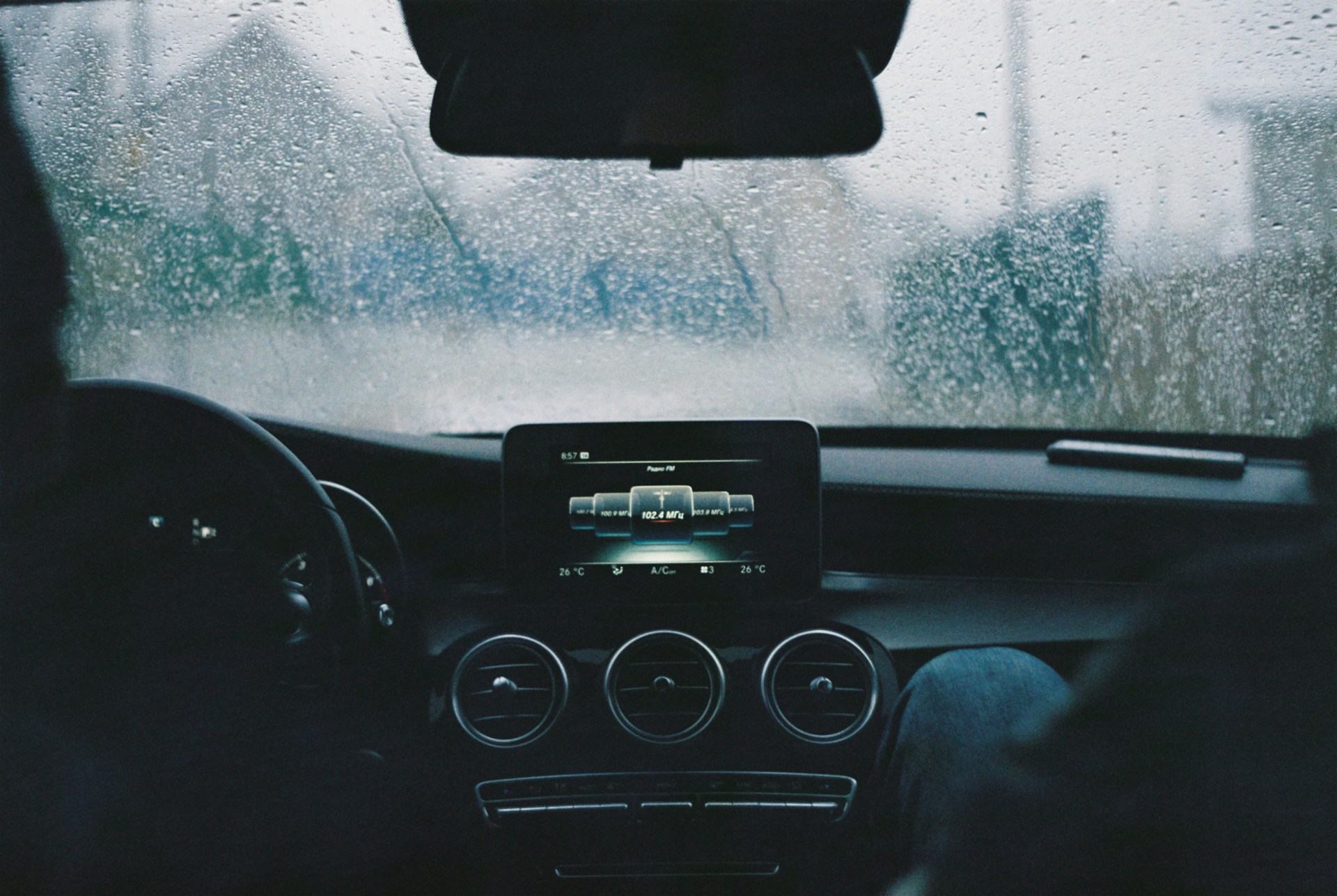
Living in Akron, Ohio, means dealing with heavy rains that can unexpectedly unleash rust problems on your car. Rust might seem like just an unfortunate reality for those living in this rainy locale, but it’s more disruptive than it appears. Prolonged exposure to rain can significantly hasten corrosion, as moisture mixed with salt from roads seeps into the vulnerable parts of your vehicle, speeding up the rusting process. The outcome? You might find that your car’s performance and overall value start taking major hits much sooner than you’d like.
Recognizing and addressing rust right away is vital to maintaining the longevity and safety of your vehicle. Using effective rust protection for cars helps combat this sneaky issue, particularly important for folks in Akron where rain is a frequent visitor. In this piece, we’ll explore the immediate actions you should take after a heavy downpour and introduce strategies to fight rust in the long term. Protecting your vehicle’s health isn’t just about exterior shine; it’s about safely cruising through Akron’s rainy climate without a hitch.
The Impact of Heavy Rain on Vehicles
Heavy rain may seem like just another weather event, but it’s a particular menace when it comes to encouraging rust on vehicles. Parked cars and those out on the road are significantly exposed to elements that cause rust. How does this happen? Well, consider how rainwater mixed with pollutants and road salt creates a corrosive cocktail that loves to nibble away at metal surfaces.
As rain pours down, water can find its way into every crevice of your car—underneath the vehicle, inside seams around doors, and the undersides of fenders. The continuous wetting, combined with the drying cycles your car goes through each day, can exacerbate rust issues swiftly. Akron’s residents often observe their cars suffering from increased patches of rust, particularly on wheel arches and the undercarriage, where issues might not be immediately obvious.
In this context, recognizing just how damaging moisture can be is the first step. Rust not only eats away at the metal but also affects critical parts such as brake lines and fuel tanks, compromising safety. It’s more than just a cosmetic issue. The goal is to prevent moisture from sticking around your car long enough to cause damage. And doing so involves not just reacting after the fact but building an ongoing defense strategy against rust’s slow creep.
An example: Think of your car like a sponge. When it takes in too much water without a chance to dry out, it becomes soggy and gross. Unlike a sponge, though, once your car rusts, you can’t easily squeeze the rust away. So, let’s move on to understand the immediate actions we need to take when facing heavy rain.
Immediate Steps to Take After Heavy Rain
Once the rain subsides, it’s crucial to act quickly to prevent rust from taking hold. Start your rust prevention routine by thoroughly inspecting your vehicle for any visible rust spots. Look closely, as rust can sometimes hide or initially appear as small, darkened areas. Paying attention to these seemingly minor spots is key because they can rapidly grow if left unchecked.
After your inspection, it’s time to dry your car. While it may be tempting to let air dry, it can give moisture time to settle, especially in nooks and crannies. Instead, use a clean towel to wipe down your vehicle, focusing on problem areas like door frames and wheel wells where water tends to accumulate. If possible, park your car in a dry, well-ventilated space where air circulation can help speed up the drying process.
Don’t forget about those hidden areas prone to holding water. Develop a routine that includes checking areas such as under the seats or in the trunk where water might have pooled. This proactive approach helps keep rust-causing moisture from settling in unseen spots.
Long-Term Rust Prevention Strategies
Preventing rust is not just about quick fixes after rainy days; it’s also about maintaining a good routine year-round. Start with regular cleaning to remove road salt, dirt, and other elements that contribute to rusting. A good wash at least once a month, with extra attention during rainy seasons, can make a significant difference.
Consider using rust protection products that can provide an extra layer of defense. Products like rust inhibitors or sealants act as barriers to moisture and chemical compounds that lead to rust. Just as lotion keeps skin from drying out, these treatments shield your vehicle from the harsh elements.
For comprehensive rust protection, seeking professional services might be your best bet. They offer expert knowledge and access to high-quality products, ensuring that every part of your vehicle gets the attention it needs. From applying protective coatings to treating existing rust problems, professionals provide thorough solutions to keep your car in top shape.
Seasonal Considerations for Rust Protection
Each season in Akron brings its unique challenges that impact rust formation. In spring and summer, frequent rains mean your vehicle is more exposed to moisture, while fall’s leafy debris can trap dampness against your car. During winter, road salt becomes the enemy, intensifying the rusting process if not dealt with promptly.
Adapting your rust protection strategies to these seasonal changes can enhance your vehicle’s defense. In spring, focus on maintaining a thorough washing routine to keep your car free from debris. Summer’s warmer days are ideal for applying protective coatings since the heat helps these treatments cure faster. As fall sets in, clearing leaves and other blockages is vital in preventing moisture retention. And come wintertime, frequent washing is essential to remove salt buildup.
To stay ahead of rust, consider creating a seasonal rust prevention checklist:
- Spring/Summer: Regular cleaning, apply protective coatings.
- Fall: Clear leaves, inspect for trapped moisture.
- Winter: Frequent washes to remove salt, check undercarriage regularly.
Keep Your Vehicle Rust-Free in Akron
Maintaining your vehicle’s health in Akron requires constant care and attention, especially with rust prone to sneaking up on you. By staying proactive and addressing rust dangers head-on, you help safeguard your investment against the gradual wear and tear brought on by moisture.
Adopting the strategies and routine checks outlined here allows you to enjoy a smoother ride longer. Each action, whether immediate or part of a long-term plan, works toward defending your car’s integrity. Remember, rust protection isn’t just about looks. It’s about safety and prolonging the life of your vehicle, ensuring peace of mind as you navigate Akron’s diverse and challenging weather conditions.
Dealing with rust after Akron’s rain doesn’t have to be a recurring headache. Consistent maintenance, timely checks, and understanding seasonal impacts are your best defenses against long-term damage. For those looking to professionally guard their car from the elements, explore effective rust protection for cars with Krown Akron. Ensuring your vehicle stays in prime condition saves you stress and enhances its longevity and performance on Akron’s roads.
RELATED SERVICE
Car Rustproofing in Akron, OH