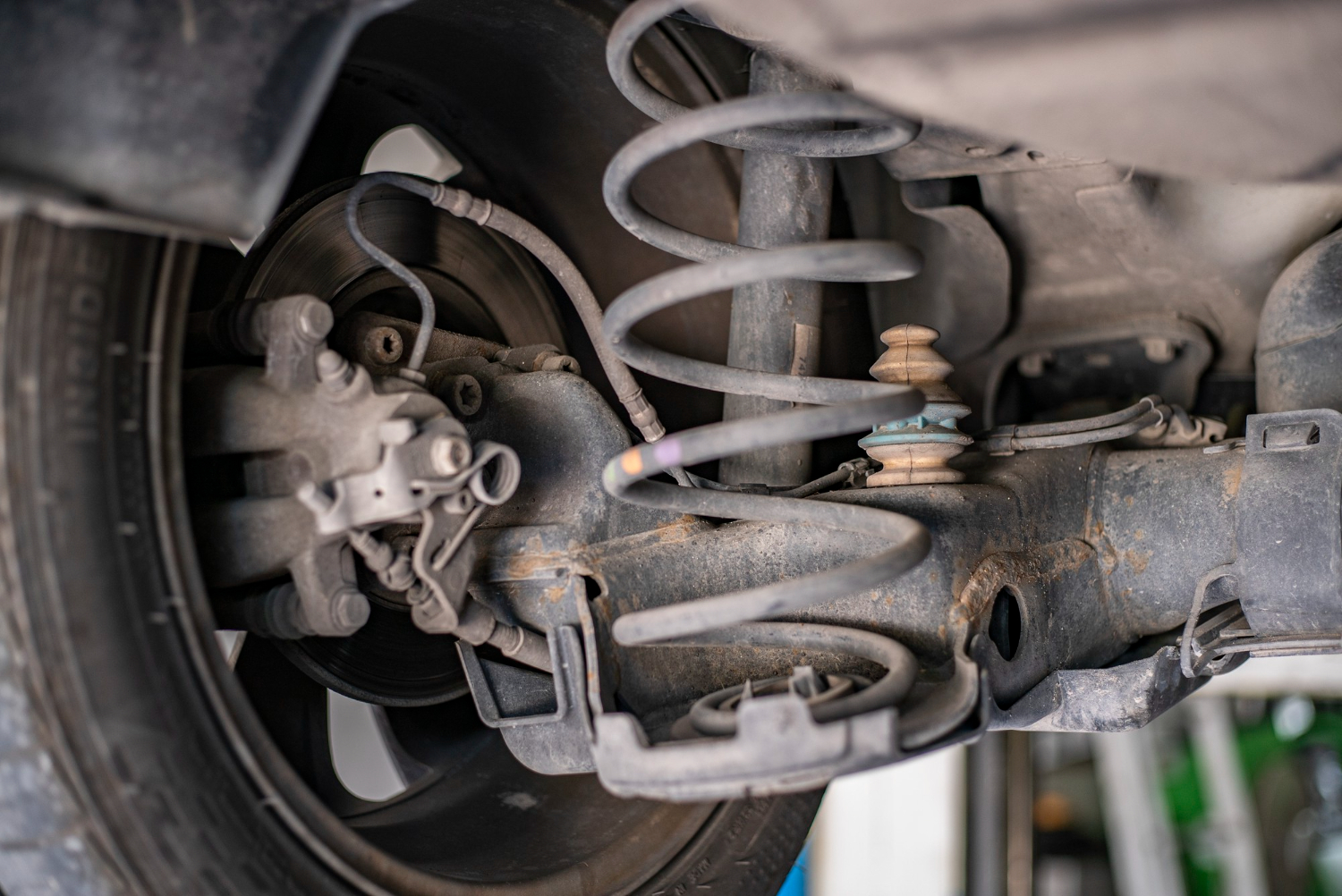
When it comes to cars, rust is a topic that sparks many myths and misunderstandings. Some folks believe that rust is only skin-deep, while others think it can’t touch new vehicles. These myths can lead to neglect, ultimately harming your car’s value and safety. Understanding the truth about rust is crucial for every car owner.
Rust doesn’t play favorites. It can affect new and old cars, especially if exposed to harsh environments. While factory coatings offer some protection, they aren’t foolproof against moisture and salty roads. Recognizing rust’s potential impact helps you keep your vehicle in top shape.
By dismissing misconceptions and focusing on real facts, you can learn how to protect your car better and avoid costly repairs. Regular maintenance and proper cleaning techniques go a long way in rust prevention. With the right knowledge, you can keep your car rust-free and reliable for many years. Let’s break down these common misconceptions and get to the rust-free truth.
Debunking the “Rust Doesn’t Affect New Cars” Myth
Many people believe that new cars are immune to rust, but this isn’t true. Rust can form on any vehicle, regardless of age. New cars come with impressive factory coatings designed to protect against rust. These coatings include galvanization and various paint layers. They provide a shield but are not invincible. These protective layers can wear down or become scratched, exposing metal to the elements. Once this occurs, moisture can seep in, and rust forms.
Environmental factors play a significant role in the rust development of new cars. Locations that experience heavy snowfall or near coastal areas with high salt content in the air can exacerbate rust issues. Salt is a significant catalyst for rust, speeding up the process by increasing the water’s ability to carry electrical currents, which accelerate corrosion.
When a new car is driven in these conditions, the risk for rust increases, especially if the undercarriage is exposed to road salt or if the vehicle frequently gets wet without drying thoroughly. Regular checks are necessary to catch any early signs of rust. Monitoring areas like wheel wells, the undercarriage, and any edges where paint might wear thin helps prevent rust from spreading more extensively.
It’s vital for new car owners to maintain their vehicle’s coating and promptly address any chips or scratches in the paint. These steps make it easier to keep rust at bay and enjoy the new car look for longer. Thus, keeping a vigilant eye on your new car’s condition is essential, as rust can indeed affect even the newest vehicles.
Clarifying the Belief that “Rust Is Just a Cosmetic Issue”
Many people think of rust as merely an eyesore, but its effects go far deeper than looks. While a little rust might appear harmless, it can severely compromise a car’s safety. Rust eats away metal, weakening structural components such as the vehicle’s frame and body panels. Over time, this can render the vehicle unsafe to drive.
The impacts are most worrying on critical parts like brakes and the frame. Rust on the frame may significantly weaken its strength, impacting the car’s ability to protect passengers in an accident. Similarly, rust on brake components can lead to malfunction, increasing stopping distances, or even causing total brake failure.
Besides safety, rust complications extend to vehicle performance. It can lead to squeaking noises, poor alignment, and reduced fuel efficiency as parts begin dragging and misaligning. Ignoring rust can also drive up long-term maintenance costs. Once rust begins to compromise essential parts, the repair bills can escalate rapidly.
Addressing rust early is key to minimizing these risks. Simple actions like regular inspections and prompt treatment of rust spots can prevent further damage. Ensuring the car’s protective coatings remain intact and seeking professional rust treatment options go a long way in avoiding future safety hazards.
Understanding that rust is much more than a cosmetic issue is crucial. By taking it seriously from the start and addressing it promptly, car owners can protect their vehicles’ structural integrity and ensure it remains safe and reliable.
Addressing the Idea that “Washing Cars Causes Rust”
A common misconception is that washing cars can lead to rust, but the truth is just the opposite. Regularly washing your car is crucial for preventing rust. Dirt, road salt, and other debris that accumulate on your vehicle’s surface can trap moisture. This combination of grime and moisture creates ideal conditions for rust to form. Regular cleaning removes these harmful elements and keeps your car looking new.
For safe washing without risking rust, use the right techniques and tools. Here’s a simple guide to help you wash your car effectively:
1. Use the Right Soap: Opt for soaps designed for cars, as they are gentle and don’t strip away protective coatings.
2. Start from the Top: Begin washing from the roof and move downward. This prevents dirty water from dripping back onto clean areas.
3. Rinse Thoroughly: Ensure all soap is washed off to prevent residue that could attract dirt and water.
4. Dry Completely: Use a microfiber cloth to dry the car completely to prevent any water spots and discourage rust formation.
Washing also provides an excellent opportunity to inspect your vehicle for early signs of rust. Check areas like the underbody, wheel wells, and any seams where different components meet. Seeing these areas often allows you to address small rust spots before they become bigger problems. So rather than causing rust, regular washing is an effective measure against it. This practice, paired with thorough drying, keeps your car in great shape and minimizes rust risks.
Understanding “Rust Repair Isn’t Necessary” Misconception
Some might think ignoring small rust spots is harmless, but this misconception can lead to costly problems. Leaving rust untreated allows it to spread beneath the surface, where it weakens the vehicle’s structure. Over time, small rust spots can expand, affecting a greater area and making repairs significantly more expensive.
Investing in early rust repair is not just about maintaining appearance; it’s about preventing further damage and ensuring safety. Here are some benefits of addressing rust promptly:
– Cost Efficiency: Early repairs often involve minor touch-ups, saving money compared to extensive repairs needed for widespread rust.
– Enhanced Vehicle Longevity: Regular maintenance and rust repair can add years to your car’s life.
– Increased Resale Value: A car free from rust damage typically has a higher resale value than one with visible corrosion.
Consider rust repair as an ongoing aspect of vehicle maintenance. Regular inspections and timely treatment of rust are proactive approaches that prevent bigger issues later. In the long run, prioritizing rust repair contributes to a safer, more reliable vehicle, allowing you to feel confident every time you hit the road.
Conclusion
Rust can be a silent enemy for car owners, lurking undetected in small spots but capable of causing huge issues down the line. Understanding the misconceptions about rust helps in taking the right steps to maintain your vehicle’s integrity and safety. While new cars are equipped with protective coatings, it is essential to remain vigilant since environmental factors can compromise these defenses. Regular cleaning, often misjudged as a rust culprit, plays a significant role in rust prevention by removing harmful substances that trap moisture.
Taking rust seriously at the first sign and treating it promptly can save you from higher costs in the future and keep your car running smoothly for years. Routine inspections, coupled with the correct cleaning techniques, ensure your car remains free from rust-related issues.
For professional vehicle rust protection services and more expert advice, visit Krown Akron. They offer top-notch solutions tailored to your needs. Ensure your car stays rust-free and reliable with their experienced team ready to help you fight against rust effectively!
RELATED SERVICE
Car Rustproofing in Akron, OH