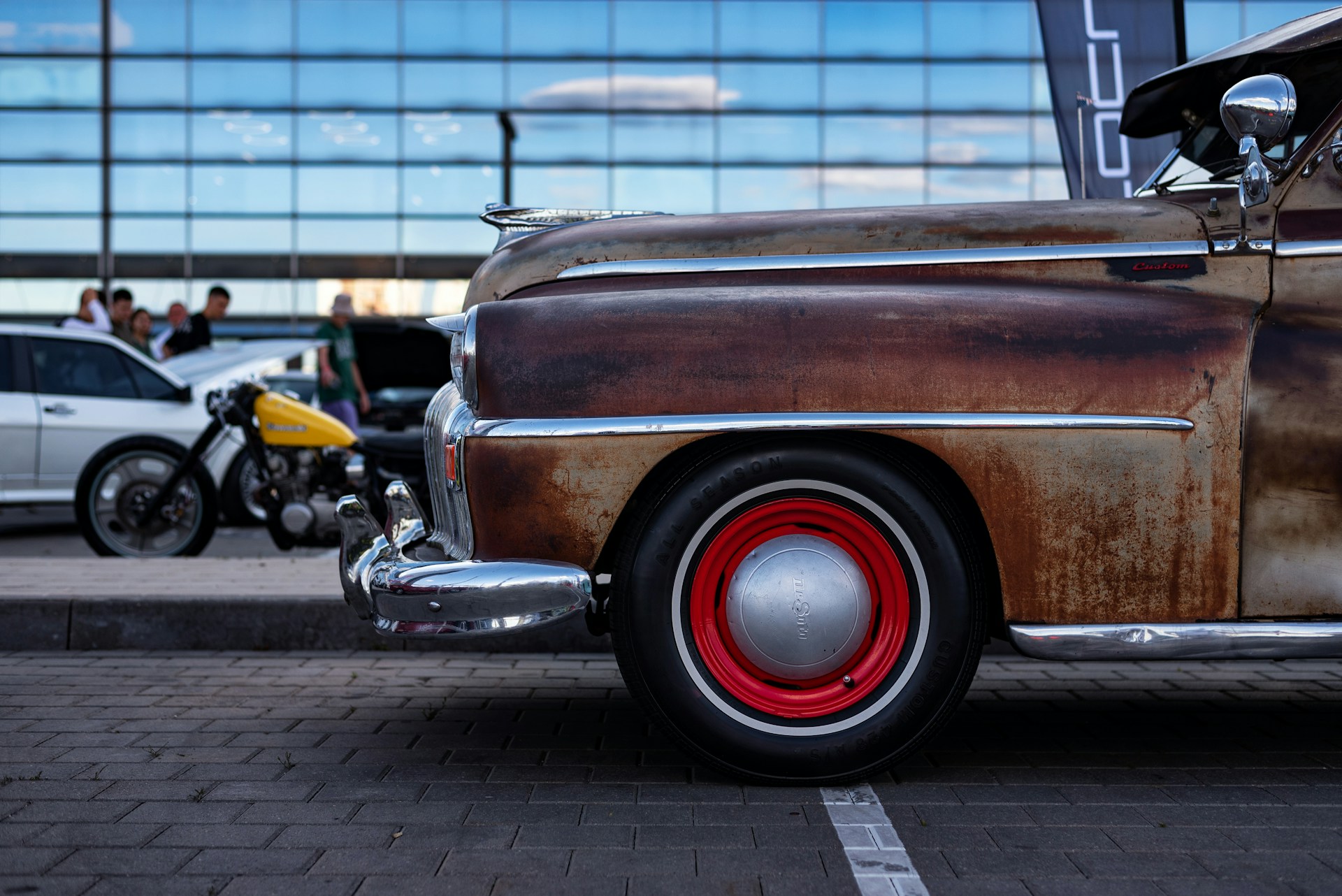
Rust may seem like a mere nuisance, but it can be a hidden culprit when your car starts burning more fuel than usual. Often originating as small, unnoticed spots, rust can quickly work its way into your vehicle’s structure, adding unnecessary weight. This extra weight can change the car’s aerodynamics, making your engine work harder and reducing efficiency.
Beyond the structural impacts, rust can also undermine engine performance. It tends to creep into essential components, creating friction and hindering the engine’s smooth operation. This added strain demands more energy and fuel, causing more frequent trips to the gas station.
Ignoring rust might save time now, but it could cost more in fuel and repairs later. Rust eats away at the metal and your gas budget. By understanding rust’s effects on fuel efficiency, you can take proactive steps to keep your vehicle running smoothly and economically.
Maintaining a rust-free car preserves its looks and ensures better fuel mileage, saving you money in the long haul.
How Rust Affects Vehicle Weight and Aerodynamics
Rust can do more than eat away at your car’s metal; it can also make your vehicle heavier. As rust forms, it accumulates on the surface, turning smooth metal into rough, flaking material. This added weight might not seem significant initially, but over time, it can build up and alter the vehicle’s balance. A heavier car requires more power to move, leading to higher fuel consumption.
The structure of the vehicle also suffers as rust progresses. With weakened components, the car loses its original aerodynamic shape. The rough, uneven surfaces caused by rust disrupt the smooth flow of air around the vehicle.
This disruption means the engine must work harder to maintain stable speed and performance. Overcoming increased air resistance demands additional energy, further reducing fuel efficiency.
Maintaining your car’s weight and aerodynamics helps keep it fuel-efficient. Proactively addressing rust can prevent changes that lead to higher fuel usage. Ensuring your vehicle remains free of rust extends its lifespan and saves money at the pump.
Identify and fix rust issues promptly to keep your car performing optimally and economically.
Rust’s Impact on Engine Performance and Efficiency
Rust isn’t just a problem for the car’s body; it also affects engine performance. Rust can infiltrate crucial engine parts, such as the fuel lines and exhaust system. This infiltration can create blockages, interfering with the flow of fuel and exhaust gases. When a car’s engine has to work harder to push through these blockages, it uses more fuel, lowering efficiency.
A strained engine doesn’t operate smoothly. If rust damages the wires or components in the ignition system, it can cause misfires or erratic engine performance. Even the smallest amount of rust in a fuel injector, for instance, can alter fuel spray patterns, harming engine efficiency. This inefficiency forces the engine to burn more fuel to achieve the same power output.
Recognizing rust’s impact under the hood is crucial for maintaining fuel efficiency. Routine inspections of the engine and its components can spot early signs of rust interference. By keeping rust out of these critical areas, you improve your car’s performance and keep fuel consumption in check.
With less rust, your engine runs cleaner and efficiently uses every drop of fuel. Prioritize protection and maintenance to ensure your engine stays rust-free.
Detecting Rust-Related Fuel Efficiency Issues
Spotting rust-related problems with your car’s fuel efficiency early can save you time and money. Changes in how often you refuel may be a clue. If your car suddenly starts consuming more fuel despite no change in driving habits, rust might be affecting performance. Pay attention to your mileage; a significant drop often indicates an underlying issue.
Listen for unusual noises from the engine, which can signal rust interference with engine parts. A rough idle or stalling can result from rust blocking or damaging components related to fuel delivery or exhaust management. These signs suggest it’s time to check for rust not just visually but also through performance inspections.
A regular inspection routine can reveal areas needing attention. Look for visible rust spots on the body, and then check under the hood for any corrosion signs on engine components. Feel free to use a flashlight to peer into less visible nooks. Consistent inspections help catch potential rust-related efficiency issues before they worsen, keeping repair costs down.
Strategies to Prevent Rust and Enhance Fuel Efficiency
Protecting your car from rust can help maintain good fuel mileage. Start by washing your car regularly, especially after driving in snowy conditions or on salted roads, which promote rusting. This helps remove corrosive elements before they cause harm. Focus on hard-to-reach areas like the undercarriage and wheel wells, as these spots are prone to rust.
Applying a wax coating after washing provides an extra layer of protection against moisture and rust. Regularly inspect and touch up any scratches or chips in the paint to prevent rust from starting. Covering your car or parking it in a garage shelters it further from potentially damaging weather.
Conclusion
Invest in rustproofing treatments that offer long-term protection. Products like undercoating sprays create barriers, preventing moisture from reaching metal surfaces. These treatments help preserve your car’s structural integrity and maintain optimal aerodynamics, both of which contribute to better fuel efficiency.
A well-maintained, rust-free vehicle saves on fuel and remains more environmentally friendly by running efficiently. Visiting Krown Akron for professional car rust protection services in Akron ensures your vehicle remains robust against rust challenges.
With our expertise and high-quality treatments, we can help your car continue to deliver peak performance while saving you money on gas. Reach out today to make rustproofing a reliable part of your car care routine.
RELATED SERVICE
Car Rustproofing in Akron, OH