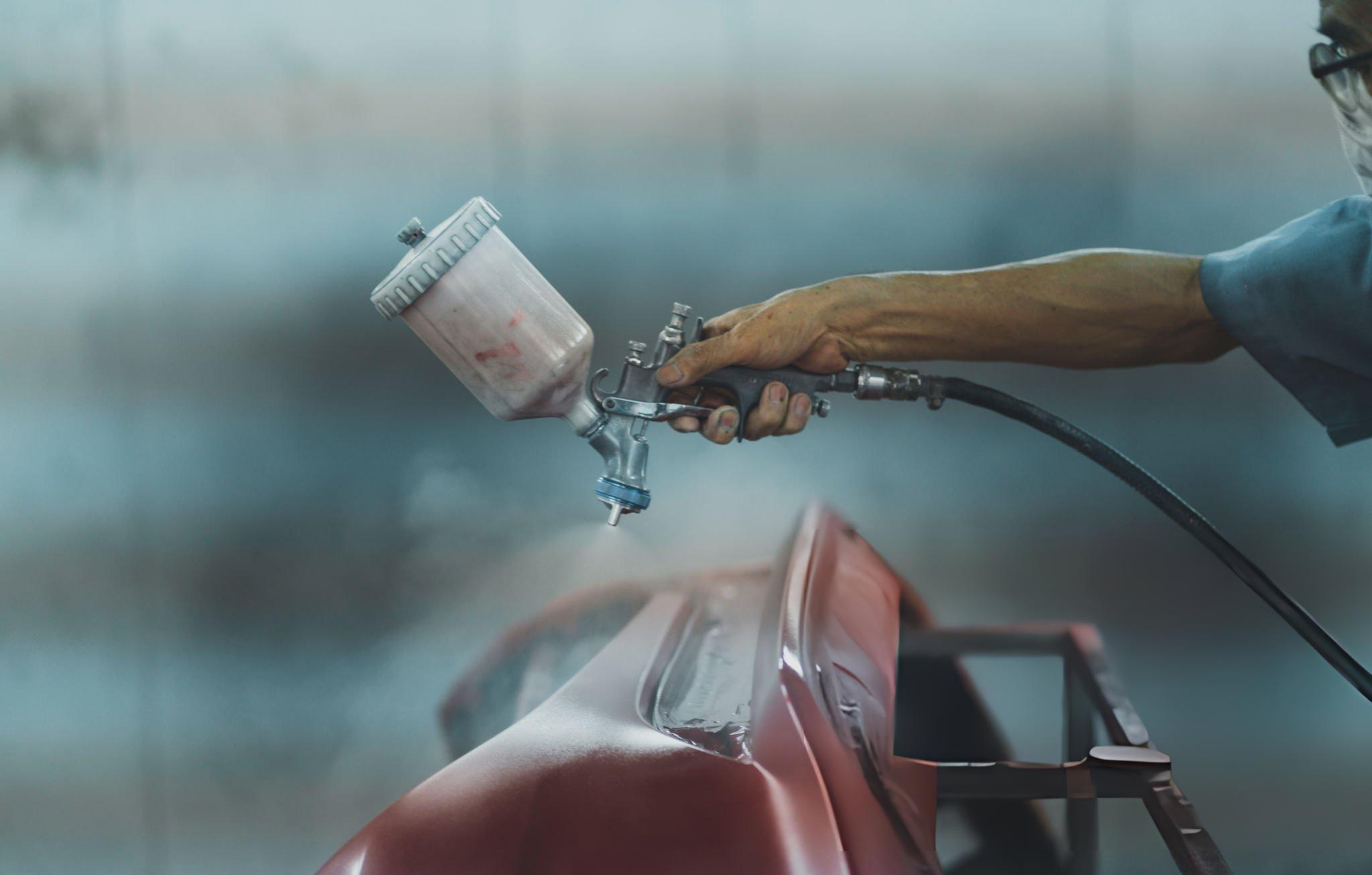
As cold weather moves in, a lot of drivers begin thinking about how to protect their vehicles before the roads get messy. Snow, slush, and salt can do real damage if a car isn’t prepared. One of the most common questions we hear is whether paint really helps when it comes to rust. It might look good on the outside, but does it really protect what’s underneath?
Now is a smart time to look at how the best paint for rust protection holds up once winter hits. We’re going to walk through how paint helps, what its limits are, and how it fits into a bigger rust protection plan.
How Rust Forms Under Snow and Salt
Rust tends to show up when moisture sticks around. And in places like Akron, Ohio, once winter starts, moisture sticks around for months. The snow doesn’t just sit on the surface. It melts into cracks, mixes with salt, and creeps into every low spot and hidden seam.
• Rocker panels, wheel wells, and frames are hit the hardest because they collect slush and don’t dry quickly
• Once road salt gets into those spots, it holds water against the metal and speeds up corrosion
• Metal stays damp longer in cold weather, so even tiny chips or scratches can rust faster
Salt is especially rough on the underside of a car. It clings to bare spots and keeps things wet. That mix of trapped moisture and metal is all rust needs to start working.
What Paint Actually Does to Block Rust
Paint works like a shield between the metal and the air. When it’s smooth and sealed, it helps keep moisture from getting through. That first layer matters, especially when it comes to everyday splashes and road spray.
• Paint forms a barrier over the car body that helps stop water and salt from making direct contact
• It slows down rust by keeping oxygen and moisture away from steel
• When applied correctly, it covers curves, edges, and seams where corrosion often begins
But regular paint isn’t meant to be the full answer, especially in winter. Even strong paint can wear down or chip from flying gravel or ice. Once it’s scratched or cracked, it’s no longer a full shield. That’s why paint alone can’t stop rust in all the places that matter.
Choosing the Right Kind of Rust-Resistant Paint
Not all protective coatings are the same. The kind of paint you use makes a big difference, especially when it comes to cold weather and rough road conditions. Some paints are built to stretch with the surface of your car and keep hold even when it’s freezing out.
When looking for the best paint for rust protection, focus on these qualities:
• Strong adhesion to metal, so it doesn’t peel or bubble over time
• Good flexibility, which means it won’t crack when the temperature changes
• Weather resistance, especially if you live in snow-prone areas like Akron, Ohio
Oil-based barrier paints tend to do well when it comes to blocking rust. They’re built to coat the surface well and add an extra layer that keeps moisture away. But even strong paint works best when paired with something more.
How Paint and Professional Rust Protection Work Together
Paint covers the body of the vehicle, but it doesn’t always reach deep into all the open spots underneath. That’s where oil-based rust protection becomes part of the process. It goes into tight corners that aren’t visible. Places like between panels, inside frames, or behind wheels.
• Painted surfaces help stop outside moisture from getting in
• Rust protection sprays deliver oil into gaps, bolts, and seams that paint can’t reach
• Together, they create coverage on both visible and hidden parts
A professional rust protection treatment works with the paint, not instead of it. It picks up where paint leaves off. And when it’s sprayed with heat and pressure, it can break through surface rust and latch onto clean metal. For cars that face snow and salt every season, it’s worth using both.
Protective paint by itself only works on the surfaces it covers directly, meaning exposed areas under the car still face plenty of risk. Underbody spaces, brackets, and seams usually have gaps where chemicals and moisture get in, especially once small rocks or salt chips away at the paint. That’s where an oil-based rust treatment helps keep everything sealed up. By creeping into every seam and joint, the oil forms an extra barrier, giving those hidden metal spots a stronger defense all winter long.
Why Timing Before Winter Matters Most
If rust starts forming, it’s harder to stop. That’s why getting things protected early is better than waiting until you see damage start to spread. Once road crews start laying down salt, conditions get tougher fast. That wet snow and grime buildup is hard to scrub off and even harder to see under.
• Applying paint or rust protection before winter locks in moisture, giving better season-long coverage
• Fall weather allows products to cure or settle properly before freezing temps arrive
• October is ideal for vehicles in colder zones, since snow often shows up early and sticks around
Even a quick cold snap in late October can leave salt residue on your car for days. If there’s already a weak spot in your paint, rust starts there.
When you take care of rust protection ahead of time, you’re making sure your car is covered before the hardest months arrive. Cold isn’t just uncomfortable for the driver; it’s also tough on metal when water and salt settle in. Many people forget about what’s underneath during the rush of preparing for the holidays or the first snow. But setting up your paint and oil protection before winter leaves you with fewer worries once temperatures drop. It’s a small step now for a much bigger payoff later.
Layered Defense for Akron Winters
At Krown Akron, our process uses heated, solvent-free oil that penetrates into panel seams, rocker panels, frame rails, and wheel wells (places paint just can’t reach). Each application is completed by certified technicians, so you know your rust protection is thorough before the first Akron, Ohio, storm arrives. This method helps the oil bond to both clean and rusty metal, pushing moisture out and making sure all those hard-to-see spots stay protected longer.
Winter doesn’t give you much time once it hits full swing. Snow piles up, roads get messy, and it’s easy to forget what’s happening underneath your car. Salt doesn’t wait, and neither does rust. If we act before problems show up, we avoid a lot of stress later.
Pairing the right paint with professional rust protection adds extra defense when your car needs it most. Strong paint helps keep the surface sealed, while oil-based treatments coat the parts you can’t see. This layered protection gives peace of mind during the coldest months.
Fall gives us that window to get ahead. It’s the perfect time to prepare, so when the first snow falls, we’re not rushing to fix problems that could have been stopped earlier.
Most drivers in Akron, Ohio, know how quickly the weather can change. That’s why staying ahead of rust is so important. Regular paint is your first line of defense, and the right rust treatment is your backup. If you wait too long, even a single storm can start the rusting process in places you can’t see. When you get ahead of it, your car lasts longer and looks better all season.
At Krown Akron, we know how important it is to prep your vehicle before cold weather arrives, especially with all the salt and slush that show up early in Akron, Ohio. Paint is a solid first step, but pairing it with added protection makes a big difference when it comes to holding off corrosion. Wondering how to choose the best paint for rust protection? It starts with knowing what works in winter and what doesn’t. We’re here to help get your car ready before the first storm hits. Give us a call today to schedule your visit.
RELATED SERVICE
Car Undercoating in Akron, OH