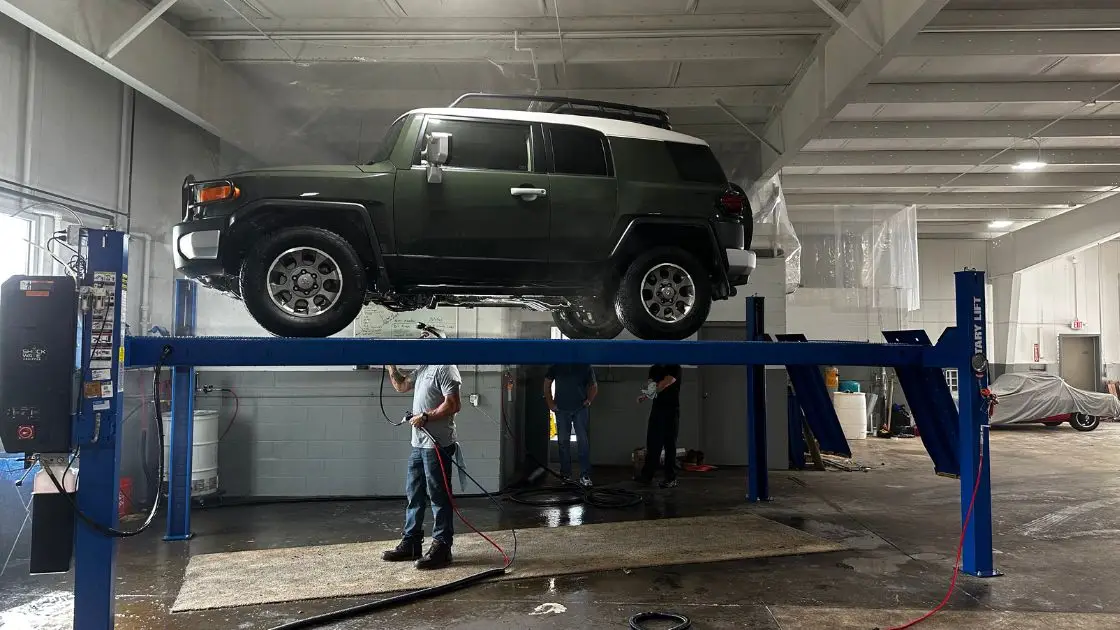
When people think about protecting their vehicles, things like tire pressure and oil changes usually come to mind. What many don’t think about is what’s going on underneath the car. Rust and corrosion can sneak up quietly, but once they settle in, they can cause expensive damage. Early spring is a risky time for this kind of trouble. Roads in Akron, Ohio, are still damp from melting snow, freezing rain, or unexpected cold snaps. Layers of salt and dirt linger long after winter storms are gone. That’s when moisture latches onto metal, and before long, signs of damage start showing. Vehicle rust protection works as a guard between that moisture and the metal you rely on to keep your ride safe. To understand how it helps, it’s useful to look at the difference between rust and corrosion, and what really threatens your vehicle long-term.
What’s the Real Difference Between Rust and Corrosion?
We hear these words a lot, but many people don’t realize they’re not the same thing. Corrosion is a big category. It happens when materials, such as metal, plastic, or even rubber, break down because of their surroundings. Rust is a form of corrosion, and it’s very common in cars because many important parts are made of steel. Rust starts when metal comes into contact with water and air. Throw in salt, which is still on most roads this time of year, and it happens even faster. You might spot it as reddish-brown flakes or stains. At first, it may just look like surface damage, but if ignored, it can eat through solid parts, making them weak. Areas that used to be smooth become bumpy and rough, letting in more moisture, creating a cycle that’s hard to stop. Corrosion, on the other hand, can take different forms. In places like the engine compartment, you might see green or white deposits on wires or battery terminals. That’s corrosion too, just not rust. What matters is knowing where each one shows up and how to slow it down. Why Vehicles Are at Risk in Early Spring
March in Akron may hint at warmer weather, but spring doesn’t clean up winter’s mess right away. Melting snow mixes with leftover salt and grime, and every drive sprays that mix up into cracks you can’t always see.
-
- Wheel wells and undercarriages get hit first since they’re closest to the road
-
- Suspension parts, frame rails, and brake lines often stay damp longer than people realize
-
- Puddles aren’t just about potholes; they carry salt and garbage up into tight corners
Even if your car looks clean on the outside, moisture and salt may be sitting in the seams or trapped where the panels meet. Once it settles in, it starts wearing things down. That’s why this shift between winter and full spring is such a tricky window. The snowstorms have mostly passed, but the roads are still full of things that wear away at your car.
How Vehicle Rust Protection Helps Prevent Bigger Issues
This is where protection steps in. A proper rust treatment doesn’t just coat the outside and call it done. Instead, it works its way into small gaps where road splash collects and stays unless you force it out.
-
- Oil-based products can push moisture out and stop new water from settling in
-
- Applied at high pressure, the solution reaches into rocker panels, the insides of doors, and suspension parts
-
- On cars with some rust already showing, warmth and pressure help the product work into the rough surface and reach healthier spots underneath
Our process at Krown Akron uses a solvent-free, oil-based product that is safe for electrical connections and does not drip onto your driveway. This oil remains active and flexible so it can keep shifting into gaps, seams, and hidden spots as your vehicle moves through spring puddles and slush. Vehicle rust protection is a shield, but a flexible one. Instead of forming a hard, brittle shell, the oil stays in place and moves with the vehicle, maintaining steady protection over time, even on rainy, slushy, or damp days. That adds peace of mind, especially during spring drives when salt is still scattered across side roads, and moisture collects in all the usual places.
What Areas Need the Most Attention
Some spots get more trouble than others. Whether you drive a car or a truck, certain problem areas show up again and again.
-
- Metal around and above the wheels takes regular hits from puddles, gravel, and salt
-
- Frame rails and rocker panels are low to the ground and offer places for water to hide
-
- Under the hood, where metal joins electrical connections, corrosion can spread if water sneaks in
Our certified technicians use long wands and high-pressure spray to access hidden cavities, such as above the spare tire, inside frame rails, and rocker panels. Other sneaky places, like above the spare tire or behind trim panels, can stay damp days after rain. These tucked-away zones often escape notice, making them easier targets for corrosion over time. Spring is a great reminder to think about what your vehicle has been through, months of freezing weather, salty roads, and melting messes. Giving these hidden parts a little extra attention now can save trouble months from now.
When You Should Apply Rust Protection
If you have never gotten your vehicle Krowned, now is the time! Many people assume right before winter is the best time but Krown rust protection lasts all year. So, no matter when you get it sprayed, as long as it is every 12 months, your vehicle will be protected!
-
- March and April are strong choices because rust often shows up right as things start warming up
-
- Any rust hiding underneath isn’t always clear until water stops freezing overnight and starts soaking in
-
- Treating your vehicle now helps it dry in clean conditions, not while sitting in muck or grime
Giving your vehicle protection during this rough weather swing means heading into spring with fewer risks, and it’ll hold strong through summer thunderstorms or muddy backroads, too.
Keep Rust From Catching You Off Guard
Surface rust might seem minor, but what it leads to isn’t. All it takes is a few weeks of spring moisture to give corrosion a good head start, especially if you’ve been through a rough winter. Spring moisture, lasting salt, and overlooked cracks make this season harder on metal than it gets credit for. That’s why vehicle rust protection matters most right now. It acts as a barrier, holding back moisture before it can settle and cause problems. The difference between rust and corrosion might not seem big at first glance, but knowing the risks of both makes it easier to stay ahead of them. Once you understand how and where they strike, you’re more prepared to stop them before they cause real damage. The parts you can’t see are often the parts that need the most attention. That’s where good timing and the right protection make all the difference. Spring in Akron, Ohio, doesn’t give your car much of a break; wet roads and leftover salt can lead to problems fast. Even if your ride looks clean, rust might already be working in spots you can’t see. That’s why now’s the right time to seal those trouble areas with proper vehicle rust protection before moisture gets a chance to stick around. We’ve got the gear, the process, and the timing to help stop rust before it gets serious. Contact Krown Akron today to schedule your spring treatment.
RELATED SERVICE
Corrosion Prevention in Akron, OH