Winter can be harsh, not just for people, but for cars too. When snow and ice cover the roads, salt is spread to help keep cars from slipping. While this keeps roads safer, it can be bad news for your car. Salt can cause your car to rust, which makes it look bad and can lead to expensive damage. Understanding why rust happens and learning how to stop it is important if you want to keep your car in good shape.
Understanding the Threat of Road Salt to Your Car
Road salt is commonly used on icy roads to ensure safe driving conditions. When temperatures drop, ice can turn roads into slippery surfaces, making driving dangerous. Salt helps by lowering the freezing point of water, which melts the ice and prevents it from re-freezing quickly. While this is beneficial for road safety, it poses a serious threat to vehicles. Salt can lead to rust, which compromises car safety and durability.
The chemical reaction between salt and moisture is where the trouble begins. Salt, when mixed with water from snow or rain, creates a brine solution. This solution speeds up the process of oxidation. When it comes in contact with the metal parts of your vehicle, it corrodes and eats away at the metal, forming rust. This rust continues to grow and spread if not addressed, weakening the vehicle’s structure over time. Damage from rust isn’t just cosmetic; it can lead to significant mechanical failures if left unchecked.
Understanding how road salt is used and its harmful effects on vehicles can help car owners take important steps toward protection. Being aware of how the salt interacts with moisture to cause rust is the first step in combating this common issue. Regular checks and maintenance routines can help mitigate risks and keep vehicles in tip-top shape.
Critical Areas Vulnerable to Salt-Induced Rust
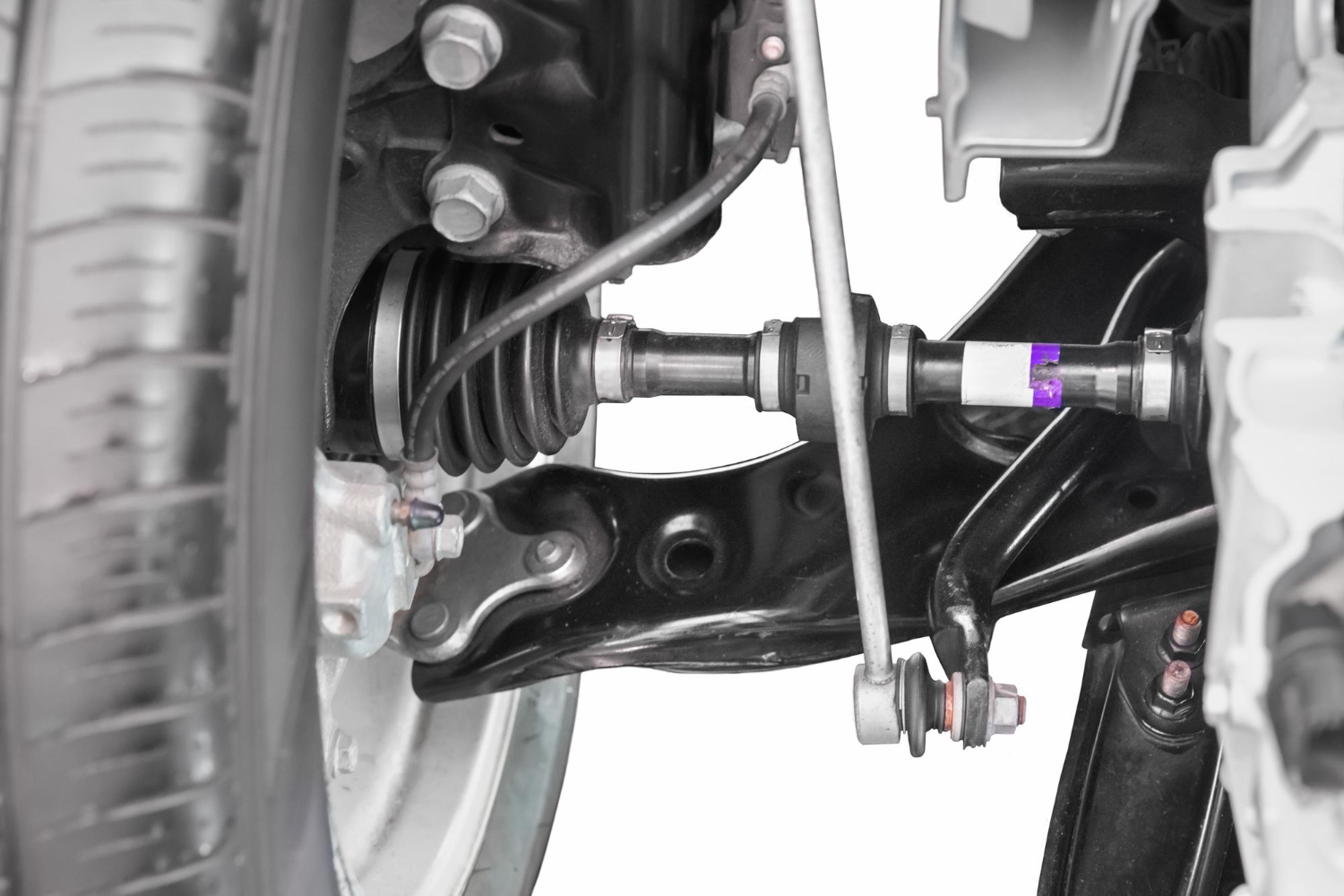
Knowing where rust will likely form can help prevent and tackle this issue head-on. Certain parts of a vehicle are more prone to salt-induced rust due to their exposure to the elements. The undercarriage is one of the most vulnerable areas, as it often gets splashed by salted road water. This makes it an ideal breeding ground for rust. Checking the undercarriage regularly is vital for spotting early signs of rust buildup.
Brake lines are another critical area that salt can damage. Rust on brake lines can lead to leaks, reducing brake efficiency. Compromised brakes pose a serious safety risk, highlighting the importance of ensuring these lines are free of corrosion. The wheel wells, where the tires kick up salt and water, also tend to collect salt residue. Regular inspection and cleaning of these spots can prevent rust from spreading.
The car’s body, especially near the fenders and lower panels, faces the brunt of salted road spray. These areas can quickly show signs of rust if neglected during the winter months. It’s important to keep these parts clean and treated to avoid rust from taking hold. Regular washing and applying protective treatments can significantly reduce the risk.
By focusing on these vulnerable areas, car owners can minimize the impact of road salt and extend the life of their vehicles. Caring for these portions of the car shields them from inevitable exposure to harsh conditions, ensuring that rust doesn’t become a persistent problem. Recognizing these risk spots and addressing them can help maintain the car’s integrity and safety.
Effective Methods to Protect Your Vehicle
Protecting your car from salt-induced rust involves proactive steps, especially during winter. Starting with preparation can greatly minimize potential damage. Before winter storms hit, apply a good quality wax to your car’s exterior. This creates a barrier against salt and grime. Also, consider using a salt-resistant spray on undercarriage areas to add another layer of protection.
Regular washing is crucial to prevent rust. After a snowfall or when you notice road salt build-up, thoroughly cleaning your vehicle helps remove harmful residues. Focus on wheel wells, undercarriage, and lower body panels. Use a high-pressure hose to dislodge salt from hard-to-reach places. Wash your car more often during winter—at least every couple of weeks.
Strategically timing washes around temperatures can also help. Wash your car when temperatures are above freezing to ensure that your car doesn’t freeze post-wash. Additionally, parking in a garage can significantly reduce salt exposure and help melt away any accumulated salt with trapped heat. Applying these methods consistently helps keep rust at bay, ensuring your vehicle remains in excellent condition throughout the winter months.
Long-term Solutions for Maintaining a Rust-Free Car
Investing in rust protection is essential to maintaining a rust-free vehicle. Several rustproofing treatments are available, each with unique benefits. Undercoating acts as a physical shield for the undercarriage, preventing salt and moisture from making contact. This layer of protection can last several years with proper maintenance.
Choosing the right method for your car depends on your driving environment and needs. Consider how often you drive on salted roads and the climate of your area. Combining treatments, such as applying undercoating and regular washing, can also enhance protection. By carefully selecting and consistently applying rustproofing solutions, you safeguard your car’s longevity and value.
Conclusion
Protecting your car from rust involves understanding threats and taking preventive action. Regular checks, combined with immediate attention to any signs of corrosion, are key to maintaining your car’s integrity. Look after vulnerable areas by keeping them clean and protected, especially during harsh weather conditions. Employing both immediate and long-term protection strategies can significantly reduce the risks associated with rust.
At Krown Akron, our expert car rustproofing services provide a comprehensive defense against salt and moisture. Protect your investment and enjoy peace of mind with our professional solutions. Contact us today to learn more about how we can help keep your car safe and rust-free!
RELATED SERVICE
Car Rustproofing in Akron, OH