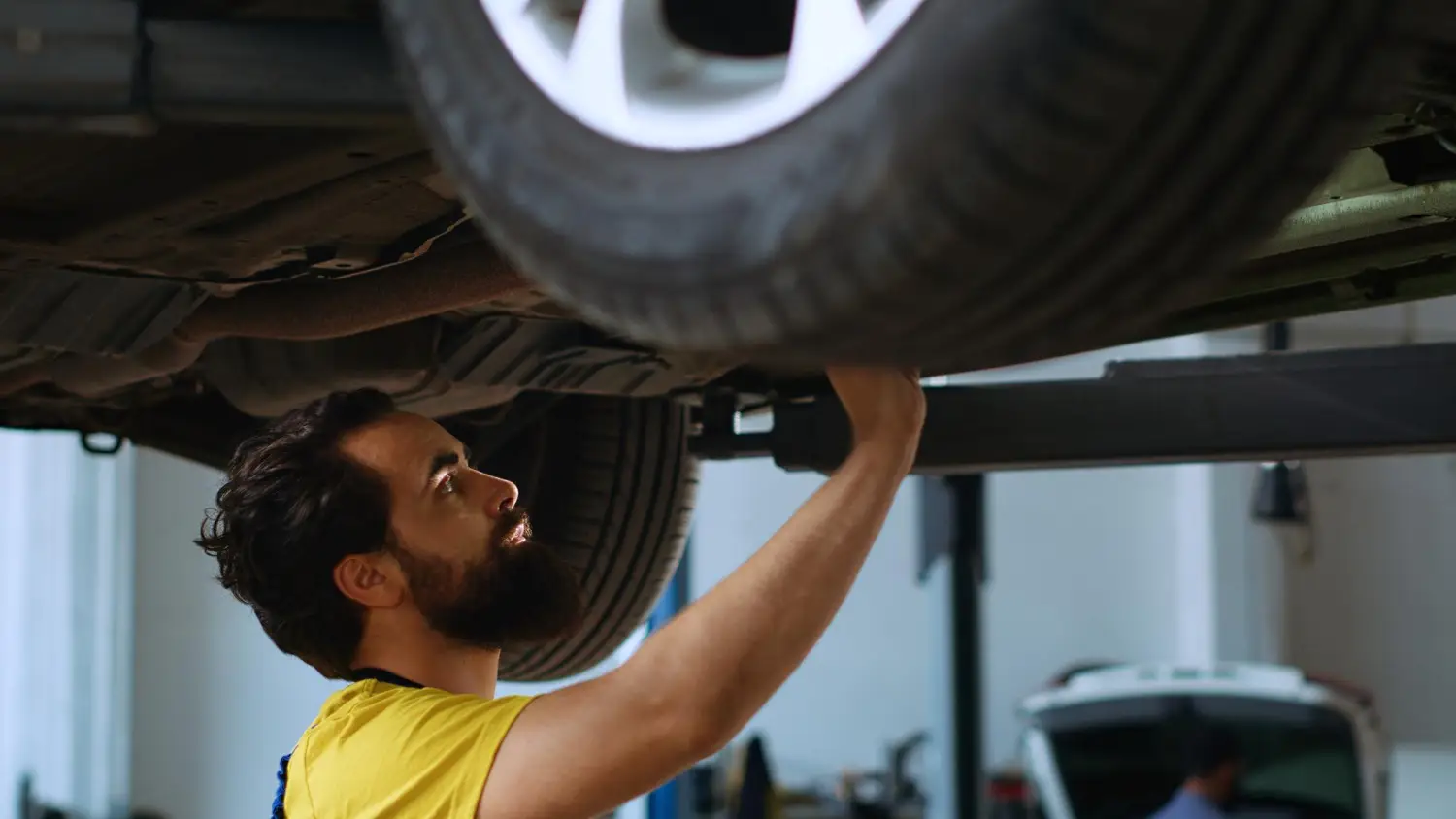
Rust is more than just an eyesore on your vehicle. It can slowly eat away at your car, weakening its structure and compromising safety. This sneaky problem can start small, often in areas that are hard to see, and quickly spread if not caught in time. Regular rust checks can help stop this silent threat from causing serious damage.
Ignoring rust can lead to expensive fixes, like replacing entire sections of a car’s body or frame. When rust penetrates deep, it can impact how well your car performs. Parts like the brake lines and suspension can fail, putting you and your passengers at risk. By regularly checking for rust, you can find and fix the issue before it turns into a big problem.
Understanding how rust forms and spreads is important for car owners who want to keep their vehicles in top shape. With routine inspections and a little care, you can protect your car from rust and avoid costly repairs down the road. This not only extends the life of your vehicle but ensures it remains safe for every journey.
Understanding the Threat of Rust on Vehicles
Rust is a sneaky enemy of vehicles, slowly developing and spreading across metal surfaces. It starts when iron or steel reacts with oxygen and moisture, forming iron oxide, commonly known as rust. Once rust begins, it can grow rapidly, especially in areas where dirt and water have accumulated, like undercarriages and fender wells. If left untreated, rust can spread beyond these areas and lead to significant damage.
Rust poses serious dangers to vehicle structure and functionality. As rust corrodes the metal, it weakens the car’s structure, compromising its safety. This is particularly true for critical parts, such as the frame, which supports the entire vehicle, and the undercarriage, which houses vital components. Rust can lead to holes and structural failure, making the car unsafe to drive.
Functional components, too, are at risk. Rust can interfere with brake lines, causing leaks that reduce braking efficiency. It can also spread to wheel wells, affecting the alignment and balance of the car. Rusty exhaust systems might develop holes, leading to leaks and dangerous fumes entering the car. These issues highlight the importance of staying on top of rust before it causes irreparable harm.
Benefits of Regular Rust Inspections
Regular rust inspections offer a myriad of benefits that can protect both the vehicle and its owner from unwanted surprises. One key advantage is early detection of rust, which allows for quick, less costly repairs. Finding rust spots early is crucial because it can prevent the spread of rust to other parts of the car. By addressing it before it takes hold, you can avoid major structural damage.
There are significant cost savings from avoiding major repairs and replacements. Small rust problems that are caught early can often be repaired with simple fixes, like sanding and painting. Larger, untreated rust damage, however, could require replacing whole panels, repairing frames, or even compromising the vehicle’s safety. Regular inspections help keep repair costs low.
Here are some reasons to regularly inspect your car for rust:
– Peace of Mind: Knowing your car is rust-free ensures a safer and more reliable ride.
– Extend Vehicle Life: Preventive maintenance helps prolong your car’s lifespan.
– Resale Value: Maintaining a rust-free car helps retain its value over time.
By committing to regular inspections, owners can ensure their vehicles remain in good condition for longer, keep their safety features intact, and save on potentially hefty repair bills.
Key Areas to Inspect for Rust Formation
Understanding where rust is likely to form helps in conducting thorough inspections. Since rust thrives where water collects, some areas on your car are more vulnerable than others. The undercarriage is particularly at risk because it often comes into contact with water, road salt, and debris. This includes parts like the exhaust system, suspension, and frame. Regularly checking these areas is crucial for spotting rust early.
Another common spot for rust is around the wheel wells. These areas face constant exposure to water and road grime kicked up by tires. Carefully inspect the metal around each wheel well for signs of rust or bubbling paint. Likewise, door sills and the bottom edges of car doors are also prime areas where rust may develop, as these can trap moisture over time.
Here are tips for performing effective rust checks:
1. Thoroughly Wash Your Car: This removes dirt, making it easier to see any problem spots.
2. Use a Flashlight: For better visibility, especially in hard-to-see areas like the undercarriage and inside wheel wells.
3. Inspect After Rain or Snow: Moisture exposure increases rust risk, so check after these conditions.
Being methodical in your inspections can help you catch rust before it becomes a major issue, preserving your car’s integrity and value.
Best Practices for Maintaining a Rust-Free Vehicle
Keeping your vehicle rust-free requires some care and attention. Routine cleaning is one of the best defenses against rust. Regularly washing your car helps remove salt, dirt, and other rust-causing materials. Be sure to clean the undercarriage thoroughly, as this is where a lot of grime can collect and go unnoticed.
Drying is just as important once your car is clean. Paying special attention to areas like door seams and panels where water can settle prevents rust from taking hold. After drying, consider applying a coat of wax for added protection. Wax adds a barrier against moisture and helps preserve your car’s paintwork.
Another effective way to shield your vehicle is to use quality rustproofing treatments. These treatments coat metal surfaces, preventing moisture and air from reaching them. Different types of treatments include undercoating sprays, which are applied to the undercarriage, and sealants for doors and body panels. Choosing the right products helps ensure long-term protection.
By incorporating these best practices into your care routine, you make significant strides in preventing rust. This not only maintains your car’s appearance but also ensures its safety and reliability on the road.
Conclusion
Understanding rust and its effects sets the stage for a proactive approach to protecting your vehicle. Regular inspections, targeted maintenance, and quality treatments help keep rust at bay. By identifying vulnerable areas and acting promptly, you safeguard both your car’s structural integrity and your investment. Rust may seem daunting, but with diligence, you can effectively manage and prevent it.
Keeping your vehicle in excellent condition takes effort, but it’s worth it in the long run. By following the steps outlined, you preserve your car’s value and ensure it remains safe to drive. Implementing these measures helps avoid costly repairs and extends the life of your vehicle.
Make rust prevention a priority with Krown Akron. Our expert rust protection for cars ensures your vehicle stays in top shape, no matter what the weather throws at it. Reach out to Krown Akron today and shield your car from the hidden dangers of rust, ensuring a smooth, safe journey every time you hit the road.
RELATED SERVICE
Car Rustproofing in Akron, OH