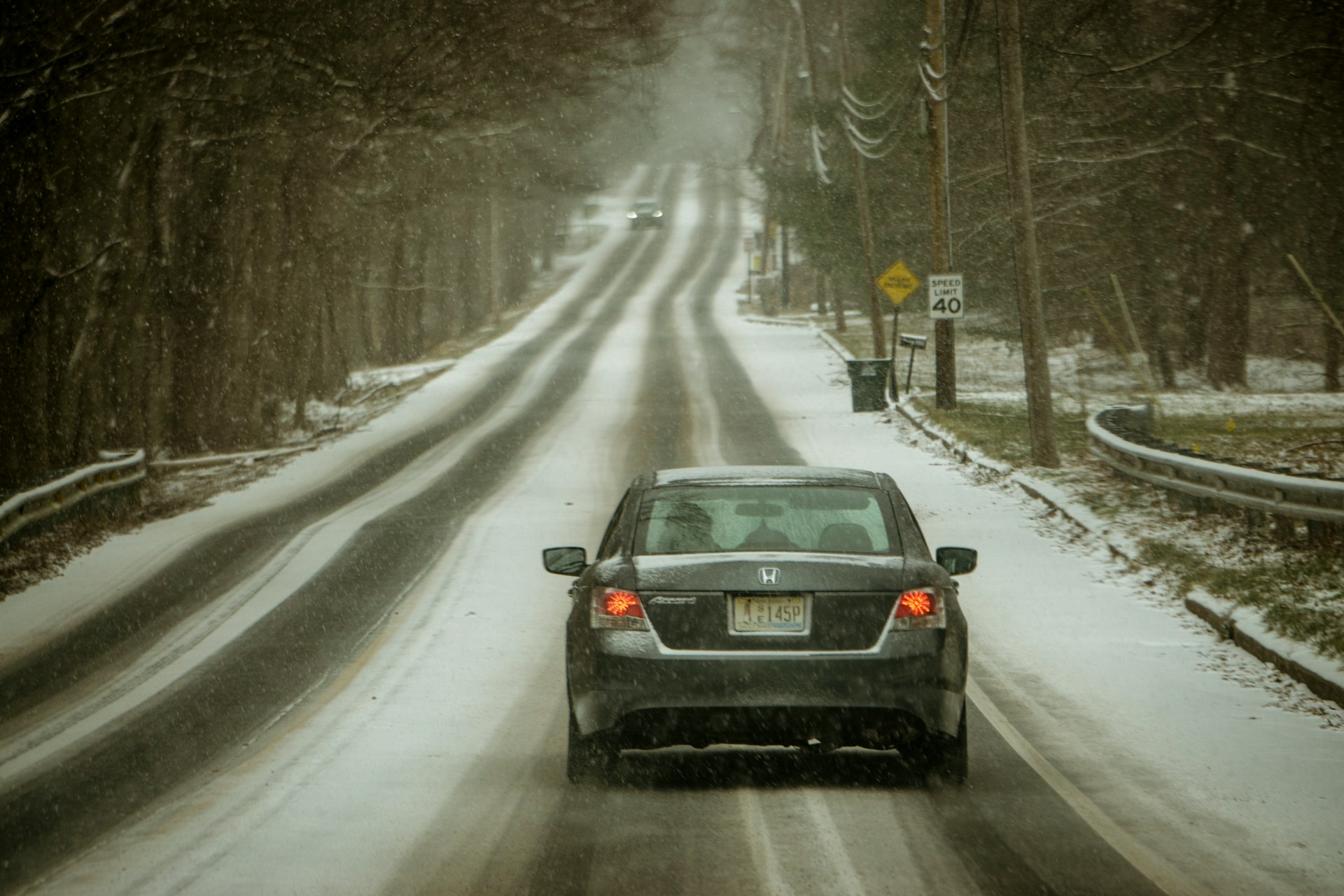
Winter weather brings more than cold winds and icy roads. It can also bring long-term damage to your vehicle if the right steps are not taken in time. One area many drivers in Akron, Ohio, think about during the colder months is rust paint protection. As temperatures drop each year, some drivers worry if those protective coatings still work as they should. Does cold air affect how well the treatment holds up? Can it still help against salt and moisture?
These are fair questions, especially with snow just around the corner and road salt already being prepped. Taking care of your car before the snow and slush start to stick is always a smart move. But even if it is December and the temperature has already dropped, that does not mean you have missed your chance to protect your car’s frame and body from corrosion. It just means the process works a little differently in the cold.
What Rust Paint Protection Does for Your Car
Rust paint protection helps your vehicle resist the kind of damage that often goes unseen. It is designed to guard the parts of your car that are most exposed to road salt, moisture, and dirt. Think of spots like the underside of your car, inside the doors, frame rails, and behind the wheel wells. These areas are not just hard to reach; they are also common places for rust to start building up.
We use a solvent-free, oil-based product that does two big things:
• It pushes out water and moisture hiding in rusty or damp spots
• It coats the bare metal with a film that keeps air and water from making contact again
This layer of protection will not harden or crack in the cold, which is particularly important here in Ohio. Unlike some other types of coatings that may stiffen or flake off during temperature swings, oil-based protection continues to work as it soaks into any rough patches of metal. It goes where hard coatings cannot, especially in seams and folds.
Remember, how that product gets applied really makes the difference. A complete spray job should reach deep into doors, quarters, under the hood, and into the frame using high-pressure wands and probes. It is about giving the whole system the protection it needs before the wet weather causes serious wear.
How Cold Weather Affects Rust and Your Vehicle
Once the snow starts falling in Akron, Ohio, it is not just a cosmetic issue. Salt gets dumped on roads, and nearly every car ends up carrying some of that grime underneath. If that salt sits for too long on exposed metal, it speeds up rust. And when a car sits through a cold, damp winter without the right protection, it can suffer even if it is not being driven.
Here is how rust tends to creep in during winter:
• Moisture and salt splash up and settle into corners and seams
• Cold air slows the drying of wet areas under the car
• Hidden zones like rockers, frame rails, and wheel wells trap salt that cannot be rinsed away
Once rust starts, it spreads. Drivers do not always see it until years later, when the damage shows up as holes, weak spots, or even brittle brackets that can fail. That is why waiting for spring to think about rust is not a good plan. Winter brings the perfect storm for corrosion, and prepping now helps limit the long-term wear.
Is Rust Paint Protection Safe to Use in Low Temperatures?
The short answer is yes. Rust paint protection can still be applied during the colder months and will continue to do its job even in freezing temperatures. Our oil-based treatment does not freeze, so it stays fluid enough to move through rust and reach healthy metal. This flow helps it fill the crevices and soak into areas where rust might already be hiding.
We warm the product when it is sprayed, which helps it penetrate better. At around 140 degrees, the oil moves straight through those porous rust layers and settles onto clean metal. That creates a lasting barrier that blocks moisture and slows down the damage cycle.
Timing and skill still matter, though. Cold temperatures change how quickly the product grips and spreads, so it is important that the spray is thorough and reaches all the layers that need protection. This involves using specialized wands for frame rails and rocker panels, lifting the vehicle for full exposure, and accessing areas that collect winter grime where rust can develop.
Even if it is late in the year, getting protection now means your car goes into the snowy season covered. With everything from rock salt to ice-packed slush getting kicked up as you drive, that coverage brings real peace of mind for drivers facing Akron winters.
What to Expect After Treatment in Winter
If you are treating your car in December, you might wonder how it will behave afterward. Will the coating freeze? Will it drip? What is safe to do next?
Here is what you should know:
• Your vehicle might show a slight oily finish in some areas, especially underneath. That is normal.
• Wait about 24 to 48 hours before washing the exterior. Give it 2 to 3 weeks before using an underbody wash.
The sprayed oil creates a mist that clings to every surface it touches. For example, even under the spare tire, the high-pressure wand can coat the metal by fogging the space with enough spray to reach every corner. It does not need to be warm outside for the product to work, but proper time between application and washing helps it settle and stick.
If your car already has some rust, the treatment still works. Rust acts like a sponge, and our heated oil pushes out the moisture hiding in those spaces. It may even look like some parts dried up faster than others. That just means the product is getting pulled deeper into the porous areas.
Why Winter Is Still a Good Time to Protect Your Car
Protecting your car from rust does not have to wait for warmer weather. Winter might feel like a last chance, but it actually can be a smart time to take action. The kind of treatment we use is effective even in the cold and keeps working after snow starts falling and salt hits the roads.
A proper winter coating will:
• Stop moisture from sitting on bare metal
• Slow down the growth of rust that has already started
• Help hidden areas stay protected through freeze-thaw cycles
December might not seem like the perfect month to treat your car, but waiting until spring could mean letting rust form while your vehicle sits wet and cold. Getting ahead of it now can make all the difference for your car’s longevity.
When applied correctly, rust paint protection holds up well in cold weather. It flows, soaks in deep, and keeps working, no matter how low the temperatures drop. In Akron, Ohio, where winters are tough on cars, that kind of protection goes a long way toward helping maintain your investment.
Caring for Your Car with Krown Akron All Winter
Krown Akron stands apart by using a solvent-free, oil-based formula that is heated and sprayed at high pressure to reach even the toughest winter trouble spots. Our certified technicians make sure every hidden area, frame rails, rocker panels, under the spare tire, gets layered protection that does not crack or flake in the cold. Plus, our shop is inspected twice a year and technicians keep up with yearly recertification for extra peace of mind.
Preparing your vehicle for winter in Akron, Ohio, means thinking ahead about rust prevention and protection. Whether youare concerned about surface rust or seeking a solution that withstands harsh winters, our team has the expertise to keep your car in top shape. Learn exactly what is included and how our system works for you with our rust paint protection. At Krown Akron, we are committed to giving your car the attention it deserves all year long. Call us today to schedule your winter treatment.
RELATED SERVICE
Car Undercoating in Akron, OH