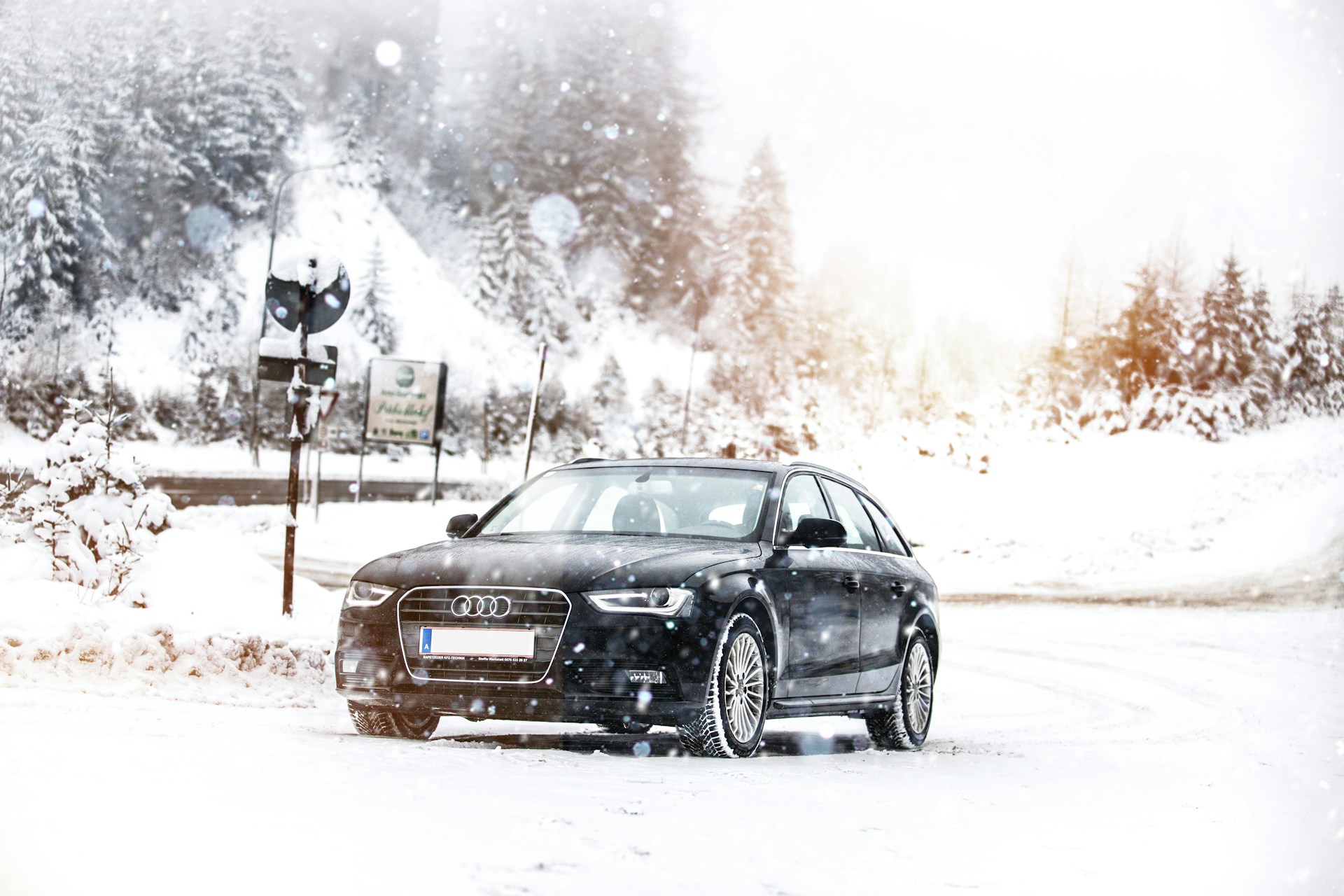
In the middle of winter, taking care of your car becomes a different kind of challenge. Between snow, freezing rain, road salt, and ice-covered streets, it’s no surprise that vehicles in places like Akron, Ohio, deal with more wear and tear. One issue that often gets worse when the snow sets in is rust.
Rust doesn’t stop forming just because temperatures drop. In fact, winter conditions can make it harder to keep rust off your vehicle. For those of us trying to keep our cars in good shape year after year, rust protection for cars is something we need to think about before the deep freeze hits. Snow and salt may not be avoidable, but how they affect the metal underneath your car can be managed with the right timing and care.
Why Snowy Roads Make Rust Protection More Challenging
Snow brings more than just slippery driving conditions. It traps moisture against your vehicle and holds it there longer than rain typically would. That stuck-on moisture can speed up how fast rust takes hold, especially when it collects in tight, hidden spots under your car.
Then add road salt into the mix. As the snow melts, the salt gets splashed every time your tires roll through slush. That salty water doesn’t just rinse off. It clings to your frame, crawls into joints, and builds up in metal seams. Combined with freezing temperatures, it creates the kind of environment where rust thrives.
The cold can also affect the way protective coatings perform. Some materials don’t spread properly in lower temperatures or may dry unevenly. That means spots can get missed or left unprotected, especially during rushed or low-quality applications.
What Happens When Rust Already Starts to Form
Once rust shows up, it doesn’t just stay in plain sight. It starts eating away at the surface, opening up tiny cracks and making the metal weaker from the inside out. In the snow season, ice and slush make it harder to notice early signs of trouble. Instead of catching those rusty spots early, you might not spot them until they’ve had months to grow.
Rust also changes the way metal reacts to treatment. When it’s smooth and untouched, metal can be sealed pretty well. But when rust begins, the surface becomes rough and absorbs moisture the way a sponge does. Any water trapped in the sponge-like layer continues to feed the spread of corrosion even after the surface appears dry.
For rust protection to be effective at that stage, the product needs to penetrate deeper. It has to push out the water that’s already tucked inside and then bond to the healthy metal underneath. If it sits only on the surface, that layer may do nothing more than hide the expanding damage.
How Professional Rust Protection Still Works in Winter
Even during December in a place like Akron, Ohio, it’s still possible to get full rust protection that works. It just takes the right process and treatment style.
• Professional shops often warm the oil-based product before spraying, helping it flow into tight seams and rusty areas
• Oil-based protection soaks into the metal and doesn’t dry hard, which means it moves with the metal as temperatures change
• Using pressure wands and specialty tools helps the spray reach deep inside frame rails, rocker panels, and suspension components
Cold weather doesn’t stop oil from working its way through rust and sticking to sound metal. For example, we spray at 1200 psi using heated product so that it creates a fog that wraps around metal, especially in tricky areas like above the spare tire. Even if you don’t see the product, it’s often there, soaking through the rust toward the clean surface underneath.
Common Missteps That Make Winter Rust Worse
Sometimes a few small mistakes can let winter rust spread faster than expected. One of the big ones is washing your vehicle’s underbody too soon after rust protection is applied. After a spray, we always recommend waiting 2 to 3 weeks before going through a car wash that includes an underbody rinse.
Here are a few missteps drivers can make during winter:
• Washing undercarriages too early, which can dislodge the fresh coating
• Delaying protection because it’s “too late” once winter has arrived
• Focusing only on visible parts and skipping underbody or frame protection
When snow is falling and salt is everywhere, it’s tempting to put off maintenance until spring. But by that time, weeks or months of exposure may have already left their mark.
What to Know If You’re Getting Protection Late in the Season
It’s not too late to do something about corrosion, even deep into December. Rust protection for cars works year-round and can be applied even in cold weather, as long as the product is heated and applied correctly. Winter treatments do require more attention, though, especially in how long they need to settle.
We tell drivers to expect some areas to look different after spraying. Smooth metal may have a visible coating, while rusty areas may appear dry. That doesn’t mean the product didn’t work. It means the rust soaked up the product, which is exactly what we need it to do, so it can drive out trapped moisture and protect what’s underneath.
Whether your vehicle already has rust or not, applying a layer of protection during winter can help prevent things from getting worse.
Stay Ahead of Damage Before Spring
Rust doesn’t slow down in winter. Cold weather and road salt simply hide the damage until warmer months reveal the truth. While it’s easy to focus on things like snow tires or frozen wiper blades, protecting the underbody of your car should be higher on the list once heavy snow begins to fall.
By acting in winter, you can stop rust before it eats away at frame parts, brakes, or suspension components. Getting a clean coat of protection gives your car a much better shot at staying road-ready when spring finally comes around. The weather might be cold, but the right treatment still works if it’s done with care and attention by people who understand how winter affects every inch of your vehicle.
Harsh winter road salt and freezing temperatures can take a toll on your car in Akron, Ohio, making rust protection more important than ever. We understand how quickly corrosion can form in snowy conditions, so we make sure to spray thoroughly for lasting results throughout the season. Protect your investment with reliable rust protection for cars before more damage sets in. Reach out to Krown Akron today to help keep your vehicle running strong.
RELATED SERVICE
Car Rustproofing in Akron, OH