In places like Akron, Ohio, once January hits, the salt trucks have already been out for weeks. Wet roads, freezing temperatures, and salty build-up all make winter a tough season for vehicles. What most people don’t think about is where all that grime ends up. It gets pushed into seams, packed inside panels, and sprayed up into wheel wells, places you can’t see and can’t easily clean.
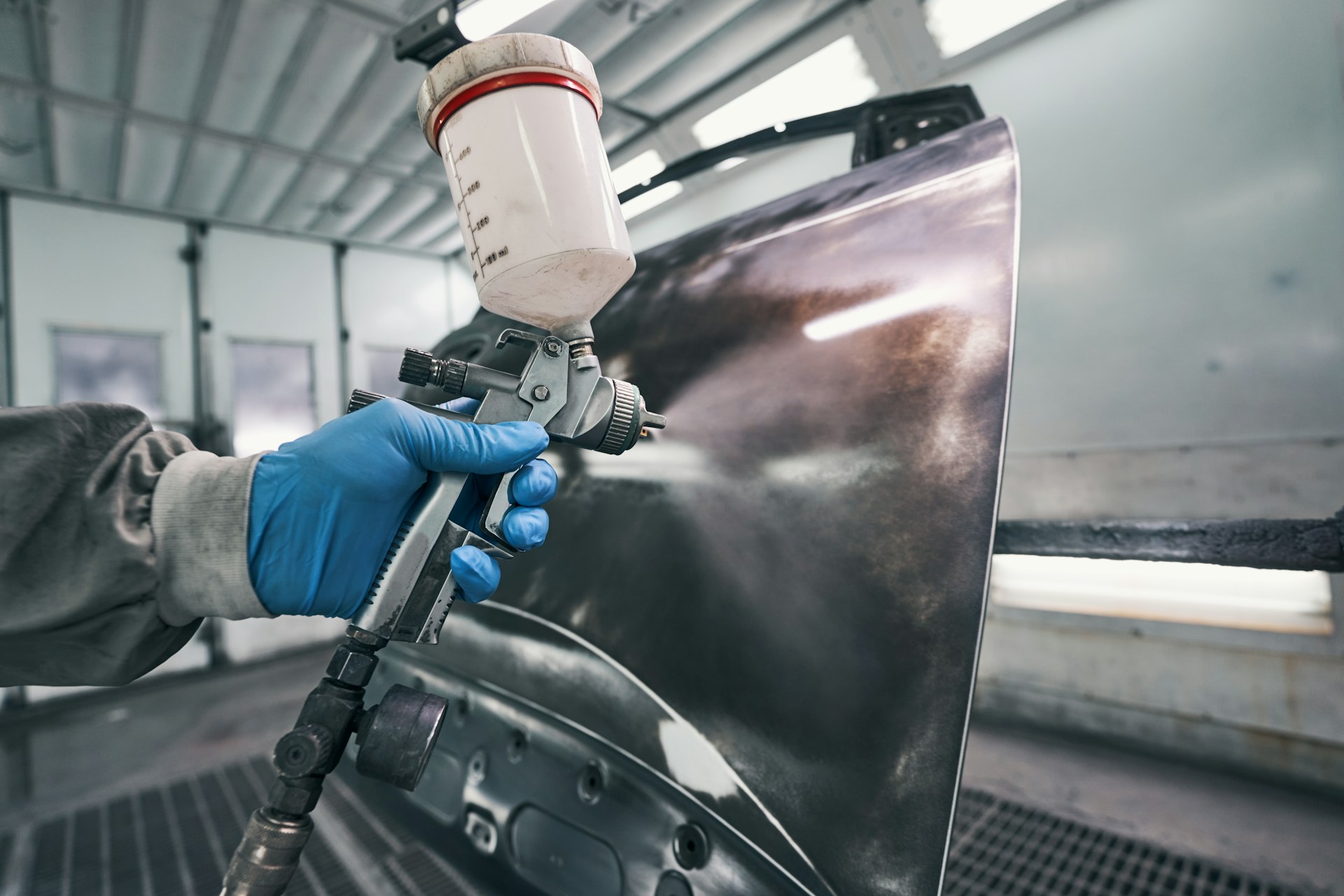
Using a rust protection spray for cars is one of the few ways to fight back against winter damage in spots you can’t reach yourself. These sprays aren’t just for the outer shell. The goal is to coat all the metal that sits behind panels and inside hollow parts before rust has a chance to grow. In the cold months, that’s more important than ever.
Why Rust Likes to Hide in Winter
Rust doesn’t need much to take hold, just moisture, air, and a bit of time. And winter gives it plenty of all three. When snow melts off the road and mixes with salt, it creates a slushy mess that clings to everything under your car. That mixture gets flung up into the undercarriage whenever you drive, even for short trips.
The problem is that the melt doesn’t just stay on the surface. It seeps into tiny cracks, frame rails, and behind panels. Here’s why that becomes a bigger issue in January:
• Cold weather means metal parts stay damp longer, which gives rust more time to form
• Slush and road salt are more likely to get compacted into hidden spots, especially if snow is heavy
• You’re less likely to clean your car thoroughly in the winter, so that buildup gets time to settle in
Most people don’t spot the damage until spring, when the car starts to dry out and visible signs finally show up. But by then, rust has already been chewing away at the parts you can’t see.
How the Spray Actually Gets Into Hidden Places
A lot of people wonder how a spray can even reach the places it’s supposed to protect. The answer starts with the type of product and how it’s applied. With an oil-based formula, like Krown, the spray acts more like a mist, thin enough to get into tight seams and edges.
The spray is pushed out at about 1200 psi, which isn’t meant to blast surfaces clean, but to help the mist travel. That pressure lets the spray wrap around corners and get above or behind areas that are usually shielded. One spot that surprises people is the space above the spare tire. You don’t need to remove it. The mist can work its way through from different angles and leave a full coat across the surface.
The product is warmed before spraying. Heat helps it flow better, especially in the cold. Even when temperatures are low, the spray doesn’t thicken or clump. It moves smoothly through the tightest channels, creating a layer that water and salt can’t stick to.
Tools That Target the Hard-to-Reach Areas
To ensure all hidden areas are protected, we rely on tools specifically designed for narrow, confined spaces. The most useful ones are long specialized wands and slim probes. These let us reach way into the body of the car, places like rocker panels, frame rails, and wheel wells.
Here are a few examples of how we get around barriers without taking your car apart:
• Wands are used behind taillights on trucks to get into the truck bed sides and around the wheel arch
• Probes slide into frame rails to coat the inside of hollow suspension parts
• Spraying behind trim and into electrical access spots under the hood helps guard equipment that’s exposed to splashback
Every car is built a little differently, so the angles and access points often change from one model to another. That’s why it helps to have a system that covers each section step by step and doesn’t miss corners that are tucked away out of sight.
What if Rust Has Already Started?
We see a lot of vehicles that already have some rust, especially during the winter months in Akron, Ohio. People often assume it’s too late to treat it, but rust protection spray can still help slow the damage. Rusty metal isn’t smooth, it turns rough and absorbs moisture more like a sponge. That means water can sink in and stay trapped.
High-pressure spray, combined with heat, helps push the moisture out of those rusty spots. Then the oil finds the healthy metal underneath and bonds to it. That bonding makes it harder for any more water or salt to reach the clean surface again.
Sometimes areas with rust don’t look coated the same way as clean areas. That’s because the rust has soaked up the spray. What might look like a dry patch is actually a protective layer working beneath the surface to build a stronger barrier.
Why Technique Matters More Than Just the Product
Having a quality spray is important, but how it gets applied is just as key, especially in winter. The cold makes it tougher to get full coverage. Snow might already be packed up into the wheel wells, or road salt may have dried into a crust. That’s why rushing the job doesn’t work.
It takes a careful plan to make sure we aren’t just spraying what’s easy to see. Correct application means:
• Covering each section of the vehicle in a set sequence, so no panel or channel is skipped
• Using lifts to access hard-to-reach spots under the car
• Checking that hollow parts, joints, and seams are hit with the right angle of spray
Missing just one key area, like the inside of rocker panels or the rear quarter panels, can create a weak spot. That’s where rust usually finds its way in and starts to spread quietly over time.
Your Vehicle’s Best Defense Until Spring Thaw
So much of winter damage happens where you don’t see it happening. A rust protection spray for cars only works well if it can find and cover those hidden areas that get hit the hardest by salt and slush. That means pressing past the surface and reaching into seams, rails, and tucked-away corners.
Getting that done right during winter builds a solid line of defense. When the spring thaw arrives and the roads finally dry out, your vehicle will be in stronger shape, not just on the outside, but deep in the areas that matter most.
Winter road conditions in Akron, Ohio, don’t give your vehicle many breaks, especially when it comes to hidden rust spots that are easy to miss. That’s why we take time to apply protection where it counts, beneath the surface. Curious about what goes into a professional application or what your vehicle might need? Our breakdown of how we use a rust protection spray for cars is a great place to start. At Krown Akron, we treat every vehicle like it’s our own. Give us a call if you have questions or want to schedule your next visit.
When should I have my new car treated with Krown?
As soon as possible! Don’t wait until the car is a few years old, protect it now. Krown offers a new car warranty as well, so your vehicle will be protected from rusting from the inside out for life.
RELATED SERVICE
Oil Spray Service in Akron, OH