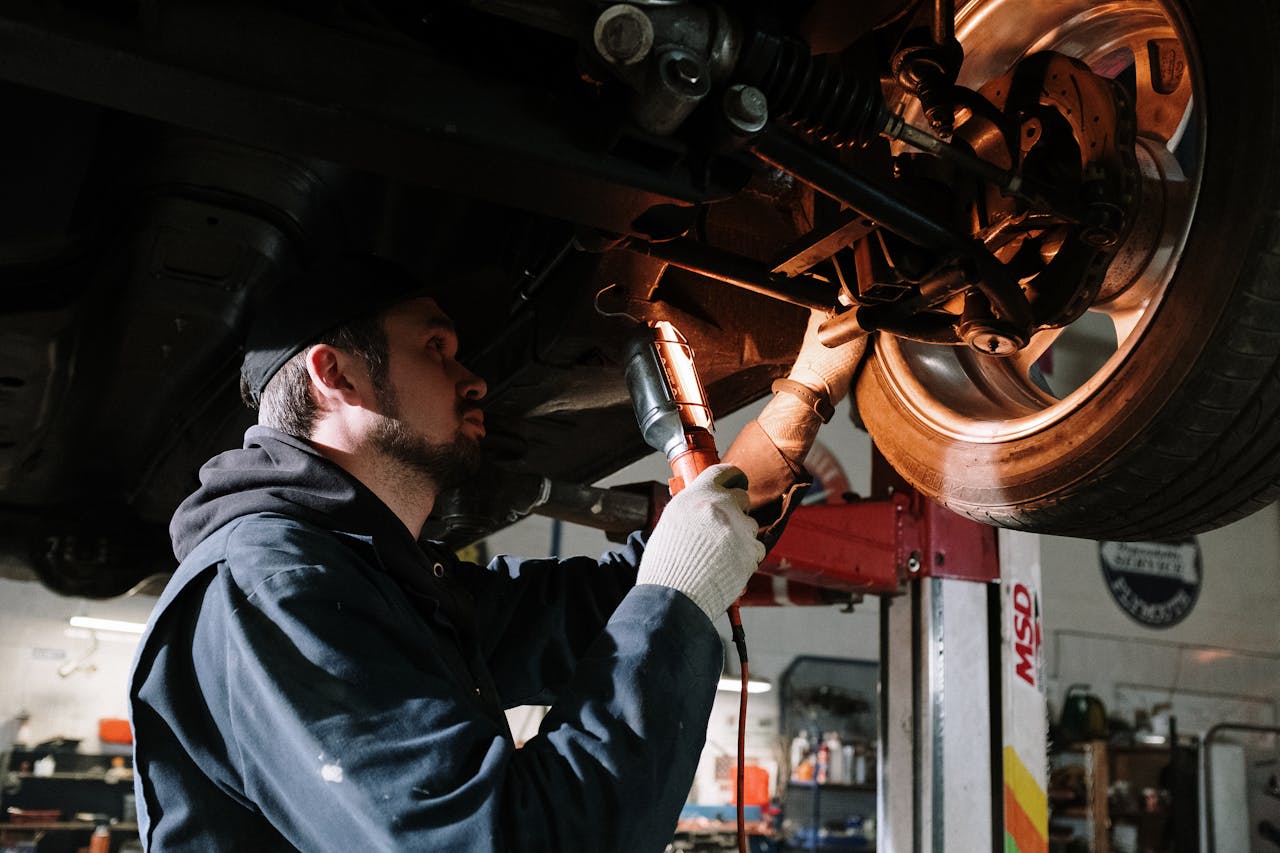
For car owners in Akron, Ohio, rust is more than just an eyesore—it’s a persistent problem that can lead to serious damage if ignored. The steady mix of snow, rain, and road salt in the area creates a perfect environment for rust to thrive. This means that anyone with a vehicle needs to be extra vigilant in keeping their ride in top shape. Restoring rusted car surfaces isn’t just about maintaining your car’s appearance; it’s about extending its life and ensuring it remains safe and functional. By tackling rust head-on, you improve your vehicle’s longevity and prevent small rust spots from becoming significant problems.
Whether you’re dealing with a few small patches or more extensive rust, knowing how to restore your car surfaces is crucial. This guide will take you through identifying rust problems, preparing to tackle them, and applying protective measures to ensure lasting results. By following these steps, you’ll be well on your way to keeping your car in the best possible condition, even in Akron’s challenging climate.
Identifying Rust Problems
Spotting rust early is key to avoiding more significant issues down the road. Start by giving your car a thorough inspection. Pay special attention to areas where rust tends to appear, including wheel wells, the bottom edges of doors, and the car’s underbody. These spots are often most exposed to moisture and road salt, making them prime targets for rust.
Use a flashlight to check inside crevices and seams, as rust likes to hide in these areas. Look for any signs of bubbling or flaking paint, as these can indicate rust lurking beneath the surface. It’s also helpful to feel for any rough or uneven patches, as these can signal rust starting to form.
If you’re unsure where to begin, follow this handy checklist:
– Examine the car’s exterior thoroughly for any paint damage or scratches.
– Check wheel wells and around the wheels for rust spots or signs of corrosion.
– Inspect doors and their bottom edges, where water can accumulate.
– Feel around the undercarriage for uneven or bumpy surfaces.
– Use a flashlight to peer into tighter spaces like seams and joints.
Catching rust early can be the difference between a simple touch-up and a major repair job. Once identification is complete, you can prepare the affected areas for restoration.
Preparation Before Restoring Rusted Surfaces
Before starting rust removal, some prep work is necessary to ensure you’re set up for success. Gather the tools and materials you’ll need, such as sandpaper or a wire brush, cleaning supplies, and protective gear like gloves and a mask to keep dust and debris at bay.
1. Clean the Area: Start by washing the rusted area with soap and water to remove dirt and grime. This will make it easier to assess the damage and see precisely where rust is present.
2. Sand the Surface: Use sandpaper or a wire brush to remove rust from the metal. Work gently at first to avoid damaging the surrounding paint. Focus on creating a smooth surface, which will be essential for the next steps.
3. Protect Yourself: Always wear gloves and a mask to protect yourself from dust and sharp particles flying around during the restoration process.
4. Gather Materials: Make sure you have a rust converter or primer ready to apply once the surface is prepped. This will seal the metal and prevent further rusting.
With proper preparation, you’ll have a clean slate to work on and can effectively tackle rust issues, setting the stage for applying protective coatings.
Applying Rust Paint Protection
Once you’ve prepared your car’s surfaces, it’s time to protect them with a quality rust paint protector. This process not only seals the surface but also provides an additional barrier against moisture and road salt. To start, choose a rust-inhibiting primer designed for automotive use. This primer serves as the foundation, helping the paint adhere better and offering extra protection.
Here’s how you can efficiently apply rust paint protection:
1. Apply the Primer: Use an even, thin primer layer over the cleaned and sanded areas. Be sure to follow the manufacturer’s instructions regarding drying time. Typically, this involves letting it dry completely before moving on to the next step.
2. Paint the Surface: Once the primer is dry, apply a coat of rust-resistant paint. You can use a brush for small areas or a spray can for a more even finish on larger surfaces. Cover all exposed metal completely, allowing the paint to dry between coats.
3. Add A Clear Coat: For additional protection and shine, consider applying a clear coat after the paint dries. This layer enhances appearance and offers another line of defense against corrosive elements.
To ensure the best results, follow these tips:
– Paint on a warm, dry day for quicker drying times.
– Work in a well-ventilated area to avoid inhaling fumes.
– Shake spray cans well before and during use to prevent splatter.
Taking the time to correctly apply rust protection can keep your car looking great and functioning well for years.
Maintenance Tips to Prevent Future Rust
After restoring the rusted areas and applying rust paint protection, regular maintenance becomes key to preventing future rust issues. Maintenance doesn’t just stop with occasional checks; it involves a consistent routine that protects your vehicle.
Consider these effective maintenance habits:
– Wash Regularly: Keep your car clean by washing it frequently, especially after driving through rain, snow, or salt-treated roads.
– Wax Frequently: Applying a protective coat of wax helps seal the paint and prevent rust from developing.
– Inspect Regularly: Check for new rust spots as part of your regular upkeep routine, particularly in areas with previous rust damage.
– Schedule Professional Check-Ups: Regular professional inspections can uncover areas that might not be visible to the untrained eye, ensuring any potential rust issues are caught early.
By integrating these practices into your routine, you can ensure that your car remains in peak condition and resists rust and other weather-related damage over time.
Preserving Your Car’s Appearance for Years to Come
Protecting your car from rust is an ongoing effort that doesn’t end once the restoration is done. It’s an investment in your car’s future, keeping its value safe. Regularly protecting and maintaining your vehicle ensures it continues to run smoothly and look great, even while facing Akron’s changing seasons.
By choosing the right rust protection techniques and developing good upkeep habits, you keep rust at bay, extend your car’s life, and preserve its resale value. Remember, while tackling rust may seem challenging, taking proactive steps can save time, money, and effort in the long run. Don’t let rust steal your vehicle’s shine—stay informed and prepared so your ride remains reliable and attractive.
Protecting your vehicle from rust is an ongoing process; having the right measures in place can make all the difference. Consider professional services that offer comprehensive care to keep your car in top condition and say goodbye to rust issues. Explore how Krown Akron can assist you with effective rust protection, and get a detailed overview of rust paint protection. Your vehicle deserves quality care to ensure it remains reliable and looks great.
What’s the difference between Krown and “undercoating” products?
Undercoating is an old technology designed to cover the exposed surfaces of your vehicle with a wax or tar-based coating. While these undercoating products look good, they are ineffective in protecting your car. Undercoating products cannot creep and penetrate your vehicle’s seams, spot welds, and other hard-to-access areas like Krown will. These are the areas where the rust is most likely to form! Also, as these coatings wear, crack, and become damaged, they can trap moisture against the metal surfaces of your vehicle and accelerate corrosion. Many people classify Krown as an undercoating or rust proofing product, but Krown’s unique formulation can protect your vehicle in ways that traditional undercoating cannot!
Can you spray an aluminum vehicle?
Krown is designed to work most effectively with steel. However, it will also protect aluminum, especially where dissimilar metals meet. Treating an aluminum vehicle has no negative impact. The Krown product will also help to protect your vehicle’s electrical components, as it is designed to displace moisture and leave a light, oily barrier.
RELATED SERVICE
Car Rustproofing in Akron, OH