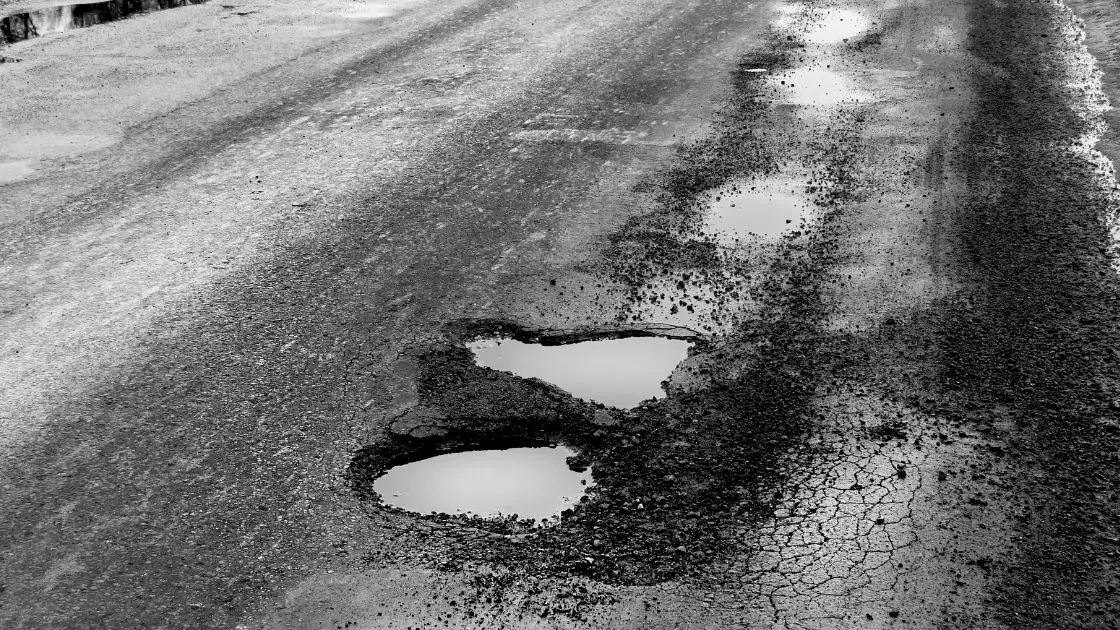
Spring in Akron, Ohio, brings more sunshine, but also rougher roads. As snow and ice fade, they leave behind broken pavement, puddles, and lots of new potholes. This time of year, there’s more water moving across the roads, and more bumps that keep your suspension busy. Together, that puts extra stress on the underside of your vehicle.
Corrosion protection for cars matters more than ever during pothole season. With splash zones getting worse and underbodies taking hits from debris, it’s easy for moisture to stick around in places you can’t see. That extra shake and splash is exactly when rust starts looking for a place to settle in. Some of the worst rust damage doesn’t happen in deep winter, but right now, at the end of it.
Why Pothole Season Is Hard on Your Car
Springtime isn’t just warmer, it’s wetter. That wetness, mixed with leftover salt, is tough on your car. And the roads don’t help.
-
- As snow melts and spring rain moves in, roads stay damp for longer stretches of the day
-
- Potholes often form where water creeps into pavement cracks, freezes, and pops the surface loose
-
- Driving over them kicks dirty water and grit up into the underbody, where it can stick to suspension arms, frame seams, and other trouble spots
Each splash slams water into tight spaces. Most of it dries where you can see, but underneath, it lingers. When water collects near seams, it finds cracks and crevices in the metal, giving rust an easy start.
How Moisture and Rust Work Together
All rust really needs is a bit of time and moisture. Both come easily during spring in Ohio. Every splash into a puddle can send water and grime right into places where air doesn’t flow as well, keeping things damp longer.
-
- Moisture sits inside wheel wells and around control arms, right where road spray hits most
-
- After every trip through water or dirty slush, some of that mess digs into the bottom of the car and doesn’t leave
-
- Once rust grabs hold of bare spots or weak metal, it’s hard to stop without active protectionl
Corrosion protection for cars steps in where wiping and washing can’t reach. It blocks moisture from clinging to metal and works to keep water from slipping into spots like rocker panels or inside a frame rail.
What Makes Corrosion Protection Work
This kind of protection uses oil spray, not just paint or a hard coating. That’s because oil can get into tiny areas and keep shifting over time. Heated spray and pressure help too, forcing the product deep into seams and over older rusty spots.
-
- The oil clings to metal and pushes water out of seams and gaps, sealing them up
-
- Spraying at high pressure breaks through thin flakes of rust and reaches inner surfaces that are still strong
-
- It stays active after application, continuing to move and block out moisture as the vehicle rides through wet patches or puddles
The product we use doesn’t dry hard, which is a good thing. That means it keeps moving slightly, following the flex of the car and covering new spots that open up as parts shift. Wherever water tries to get in, the coating’s already there.
Krown Akron uses a solvent-free, oil-based spray that will not harm electrical connections. The application process sprays the product at 1200 psi and uses heat to help it flow through rust and reach healthy metal underneath.
Problem Spots That Matter Most During Spring
We see the same problem areas every spring. The bumps from potholes do more than just send a jolt, they shake the whole frame. Combined with water, it can leave lasting marks in certain areas.
-
- Rocker panels and frame rails are like long water shelves under your car, and they collect grime and splash from every puddle
-
- Wheel wells get coated in dirt fast during pothole season, especially when it’s wet outside
-
- The rear part of the car, near the spare tire and bumper, stays damp for the longest time since there’s less airflow back there
All these spots have one thing in common, they don’t dry fast. And if they go untreated, they end up holding moisture deep in the metal. That’s where rust starts to spread.
How Timing Makes a Difference
March is when we start to see potholes pop up on nearly every road in Akron, Ohio. Most people notice the noise or the bounce, but what’s happening underneath is just as big a deal. Catching it early in the season matters.
-
- Mid-March is when the roads are still wet, but the days start getting warmer, which means rust can spread faster
-
- Treating now helps stop new rust before it forms or spreads into areas that were borderline after winter
-
- It’s way easier to coat and clean up now than waiting until early summer when salt has soaked in deeper or cake-up has hardened
The longer we wait, the harder it gets to clean out trapped debris and salt. Right now, things are still mostly loose and wet, which helps with prep. A well-timed treatment doesn’t just stop future rust, it clears out what winter left behind.
Protect What You Don’t See On the Road
When most people think about spring damage, they think of bent wheels or damaged tires from sudden potholes. But it’s what happens below the floorboards that sticks around. You don’t always see rust forming right away, and by the time it shows up, it’s been working for a while.
-
- Corrosion protection for cars works behind the scenes, blocking rust before it forms in those hidden spots
-
- It fills hollow parts of the frame, wraps around metal edges, and keeps spring splash from finding a place to hold on
-
- Once water gets under rust flakes, it only takes a few weeks to eat deeper into the metal if nothing is there to slow it down
Driving through a wet pothole might seem harmless on the surface. But each splash can be part of something more damaging if the inside of your car isn’t protected. This is why now’s the time to pay attention to those spots you don’t usually think about.
Spring bumps and back-road puddles are part of Midwest driving, especially in cities like Akron, Ohio. As soon as roads start to thaw, things get rough. That’s why proper corrosion protection matters most right when pothole season kicks up. It fills the spaces that water looks for and spreads before rust can take over.
Down the road, the difference often shows up not in how your car looks, but how it holds up through the seasons. Giving the underbody that layer of defense now helps keep spring damage from sticking around long after the rain clears.
Now is the perfect time to prevent spring moisture from causing real damage under your vehicle. When Akron, Ohio, roads are wet and rough, water can reach hidden areas where rust starts to form. The most effective way to stop that damage is to act before it takes hold. We protect your ride with quality corrosion protection for cars so your vehicle stays strong through every puddle and bump. Contact Krown Akron today to get your car ready for the season ahead.
FAQ’s
RELATED SERVICE
Car Undercoating in Akron, OH