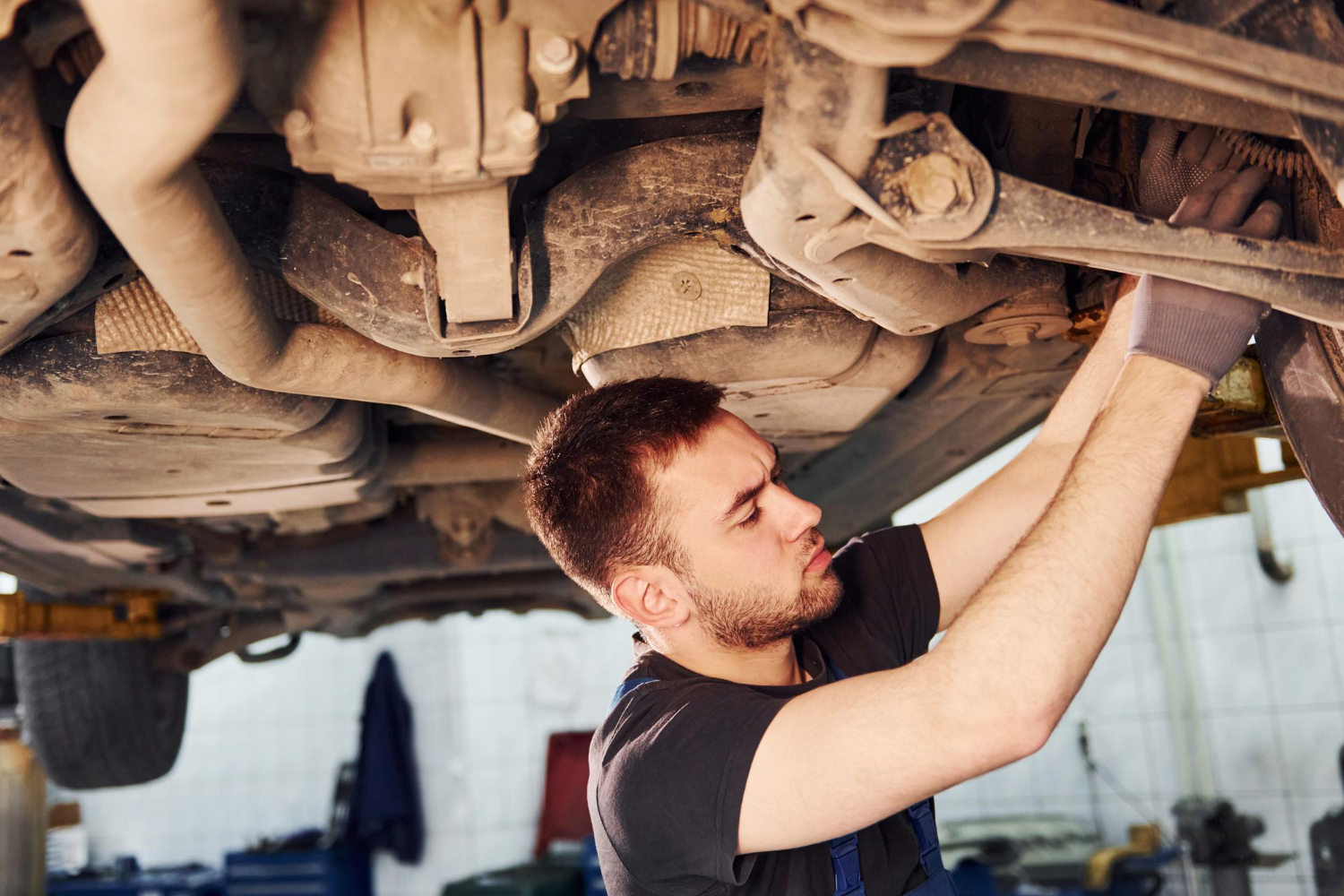
Rust can be a car owner’s nightmare, sneaking up silently and causing significant damage over time. Understanding rust and its progression on vehicles is crucial for maintaining your car’s health. Rust is more than just an ugly patch on the metal. It is a destructive force that can compromise your vehicle’s safety and reliability.
Awareness of how rust forms and spreads allows you to take proactive measures. By recognizing the signs early and employing effective prevention strategies, you can save on costly repairs and extend the lifespan of your vehicle. Embrace knowledge about rust to keep your vehicle safe and looking its best for years.
What Is Rust and How Does It Form?
Rust is a type of corrosion that occurs when iron and oxygen react in the presence of moisture. This chemical process, known as oxidation, leads to the formation of iron oxide, which we see as rust. When metal is exposed to water and air, the iron in the metal reacts with oxygen, resulting in rust. This reaction is more aggressive in environments where salt is present, such as coastal areas or where roads are salted in winter.
Vehicles are particularly prone to rust due to their constant exposure to various elements. Common causes of rust on vehicles include:
– Moisture: Rain, snow, and even morning dew can contribute to rust formation if the vehicle is not dried properly.
– Road Salt: Used for de-icing roads, salt accelerates the rusting process by lowering the freezing point of water, keeping roads wet longer.
– Scratches and Dings: Any damage to the protective paint layer exposes the metal underneath, making it vulnerable to moisture and corrosion.
Understanding how rust forms helps car owners take proactive steps to protect their vehicles. Knowing the frequent causes, they can implement preventive measures to lessen rust risks and preserve their vehicle’s integrity.
Identifying the Stages of Rust on Vehicles
Rust doesn’t just appear overnight; it progresses through identifiable stages. Recognizing these early stages can prevent severe damage. Here’s an overview of the different rust stages on vehicles:
1. Surface Rust
This is the earliest stage, affecting only the top layer of the vehicle. It’s usually seen as small spots where paint might be chipped. At this stage, rust is easiest to manage and repair.
2. Scale Rust
If surface rust is not treated, it progresses to scale rust. Here, the rust begins to flake, weakening the metal. The affected area expands, requiring more extensive treatment.
3. Penetrating Rust
This stage is severe. Rust eats through the metal, causing irreversible damage. Parts may need replacements as the vehicle’s performance and safety could be at risk.
Detecting rust early is crucial for vehicle longevity. Signs to look for include small, reddish-brown spots on the paint, rough or bubbling paint surfaces, and flaking metal. Regular inspections, especially in places prone to moisture accumulation, can help detect rust before it worsens, making it easier to handle and repair.
Impact of Rust on Vehicle Performance and Safety
Rust can significantly affect vehicle performance and safety. As rust progresses, it gradually eats away at the metal, compromising the strength and functionality of various parts. Here’s how rust impacts different components of a vehicle:
Body Panels and Frame
When rust attacks the frame and body panels, it weakens the car’s structural integrity. If the vehicle is involved in a collision, this can lead to serious accidents because the damaged sections cannot effectively withstand impact.
Exhaust System
Rust in the exhaust system can cause holes that lead to exhaust leaks. This affects engine performance and risks harmful gases entering the cabin.
Brake Lines
Rusty brake lines can lead to leaks in the hydraulic system, dramatically reducing braking effectiveness and increasing stopping distance, a major safety hazard.
Fuel Tank and Lines
If rust forms on the fuel tank or lines, it may cause leaks, leading to fuel efficiency issues and potential fire hazards.
Advanced rust can cause critical parts of your vehicle to fail, posing significant safety risks. Regular maintenance checks are essential to detect and manage rust before it threatens your vehicle’s safety and performance.
Preventive Measures and Rust Management Techniques
Keeping rust at bay requires a proactive approach with consistent preventive measures and rust management techniques. Here are some effective practices to consider:
1. Regular Washing and Waxing
Clean your car regularly to remove dirt and salt, especially during winter. Waxing adds a protective layer that can prevent moisture from reaching the metal.
2. Use Rustproofing Products
Apply high-quality rustproofing sprays or coatings to undercarriages and other vulnerable areas. Oil-based products are effective in creeping into crevices.
3. Keep an Eye on Drainage Areas
Ensure that the vehicle’s drainage holes are clear to prevent water from pooling, which can promote rust.
4. Park Indoors or Use a Car Cover
Whenever possible, park in a garage to protect the vehicle from rain and snow. If parking indoors isn’t an option, use a car cover to shield it from the elements.
Recommended rust management services include professional inspections and treatment applications. These services apply the right products correctly, providing a robust shield against rust.
Conclusion
Rust is more than a cosmetic issue; it’s a problem that can deeply affect your vehicle’s performance and safety. Recognizing rust’s stages and understanding its impact is vital in maintaining your car’s health. Taking proactive preventive measures and employing trustworthy rust management techniques can help keep your vehicle in top condition, ensuring it remains safe and reliable for years to come.
For optimal protection against rust, visit Krown Akron. With years of experience in rust prevention, they offer state-of-the-art rust protection for cars tailored to your vehicle’s needs. Let their experts help you defend against rust and effectively extend your car’s life and value.
RELATED SERVICE
Car Rustproofing in Akron, OH