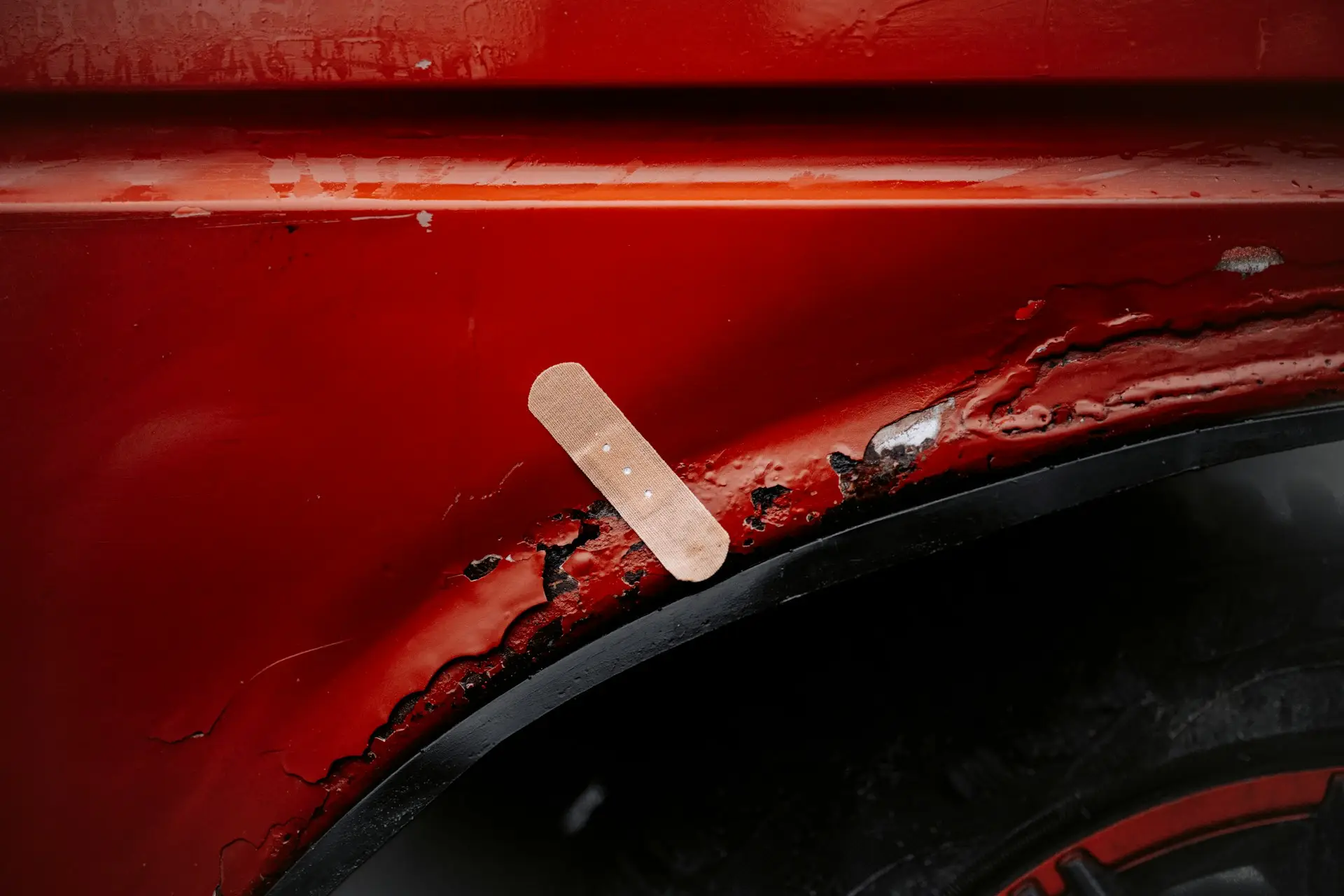
When ice, slush, and salt coat the roads across Akron, Ohio, your vehicle takes more of a beating than you might think. Underneath it all, rust can begin forming in areas you don’t always check, like behind panels or under the frame. That’s where vehicle rust protection comes in. It’s a treatment that helps block moisture and salt before they cause long-term damage. Even now, deep into January, it’s not too late to take action. In fact, mid-winter is a great time to get protection while the worst road conditions are still happening day after day.
What Does Rust Protection Do for a Vehicle?
Rust doesn’t usually start on the parts of the car you wash or wax. It builds where water gets trapped and sits, underneath the car, inside the rocker panels, or behind your wheels. That’s because even a small gap or seam can hold salt and moisture for days at a time.
Vehicle rust protection works by creating a barrier that coats the metal and keeps water from touching it. If water can’t get to the metal, rust can’t grow. The best part is that the product doesn’t just sit on the surface. It moves into the cracks and seams where moisture likes to hide. That’s especially true with oil-based sprays, which stay fluid and active long after they’re applied. They don’t dry out or harden, which means they can keep flowing and covering weak spots over time.
When Is the Right Time to Get Rust Protection?
Most people think about rust protection before winter starts, but it actually makes a lot of sense during mid to late winter, too. In places like Akron, Ohio, snow doesn’t just fall once and disappear. It sticks around, melts into slush, then refreezes, and the salt used to keep roads safe can keep soaking into your vehicle with every drive.
January is right in the middle of all that. So even if your car has already seen a few storms, it’s still a smart time to apply protection. It doesn’t need to be new to be worth saving.
Here are some signs your car may already be asking for help:
• Brown or orange stains showing up near the bottom seams or edges
• Moisture that seems to linger under your car long after it’s parked
• A rough, grainy feel on some of the metal parts underneath the vehicle
If you notice anything like that, it’s better to act now rather than wait and let things get worse by spring.
What Happens During a Rust Protection Treatment?
Getting rust protection isn’t just about spraying something on and calling it good. It’s a step-by-step process that targets the spots where rust begins and spreads.
Here’s what happens during a full treatment:
-
In the first step, we spray inside the doors, hood, and quarter panels. We also take care of the engine bay, much of the wiring, and the rear hatch. If it’s a pickup truck, we’ll remove the taillights and use a long wand to spray deep into the sides of the truck bed to get ahead of those hard-to-reach rust zones.
-
Then, we lift the car up in Bay 2. This is where the real broad coverage kicks in. We coat the entire underside of the car, including areas such as the exposed frame and suspension system.
-
In the third step, we use slim probes to get inside the hollow frame rails, rocker panels, and all the little pockets that can trap grime. That way, protection isn’t just on the surface; it’s working from the inside, too.
To help it move better in cold temps, the oil is heated before spraying. High pressure helps the mist cover every inch of surface, even above spaces like the spare tire, without having to remove it.
Can You Still Protect a Car That Already Has Rust?
If your vehicle already has some rust, you’re not out of luck. In fact, applying protection to rusty areas still helps slow corrosion and protect the clean metal underneath.
Here’s how it works. As metal rusts, it becomes rough and sponge-like. That sponge can hold onto water, exactly the thing you’re trying to keep away. When we spray heated oil at high pressure, it pushes out that trapped water, then finds and bonds with the stronger metal underneath.
• The product soaks into the rust’s porous surface
• It drives out lingering moisture and salt
• Then it creates a new barrier to block future water from creeping in
Sometimes, after treatment, rusty areas might look dry on top. That’s not a problem. That means the oil has been fully absorbed into the metal where it’s needed most.
What to Know After the Coating Is Applied
Once the rust protection is on your car, it starts working right away. That said, there are a few things you should know about post-treatment care.
• Wait about 24 to 48 hours before doing a regular car wash
• Hold off 2 to 3 weeks before using an undercarriage spray at a car wash
• Don’t worry if you see some dripping for the first day or two; it’s normal and part of how the oil settles
Since the product stays flexible and doesn’t harden, it keeps spreading into small gaps. That means it keeps doing its job well past January, even into the early spring when the snow might start melting more often, but roads still haven’t fully dried out.
Keep Rust from Taking Over Your Vehicle
Rust might start small, but once it spreads, it can work deeper into the frame and harder to harder-to-reach spots. That’s why staying ahead of it, even in the middle of winter, gives you better odds of stopping serious damage down the road.
If you plan to keep your car for a long time and live in a place with snow and salt like Akron or another Midwest city, adding protection during winter just makes sense. It helps you stay one step ahead of the road conditions and gives your vehicle a better shot at holding up for the long haul.
Winter road conditions in Akron, Ohio, can be brutal, but the right care now can help your vehicle stay in better shape for years to come. The treatments we use are designed to keep moisture and salt from getting into the places where rust starts. When you want extra defense this season, our vehicle rust protection service is a smart place to begin. At Krown Akron, we take the time to reach the hidden spots your wash can’t. Give us a call today to schedule your appointment before more slush hits the roads.
Do you have to drill holes in my car doors for a Krown rust protection application?
Accessing the inside of your car’s frame and body panels is necessary to provide the best rust protection possible. Krown technicians are certified and follow a template for each vehicle when creating the access holes. Each hole is then filled with a special compound and a plug that prevents it from rusting.
How often should I get my vehicle Krowned?
It is essential to have your vehicle treated annually to ensure it is adequately protected. Especially these days, when extremely aggressive road chemicals are used for de-icing our roads, make sure you come in for a treatment every year.
RELATED SERVICE
Car Rustproofing in Akron, OH