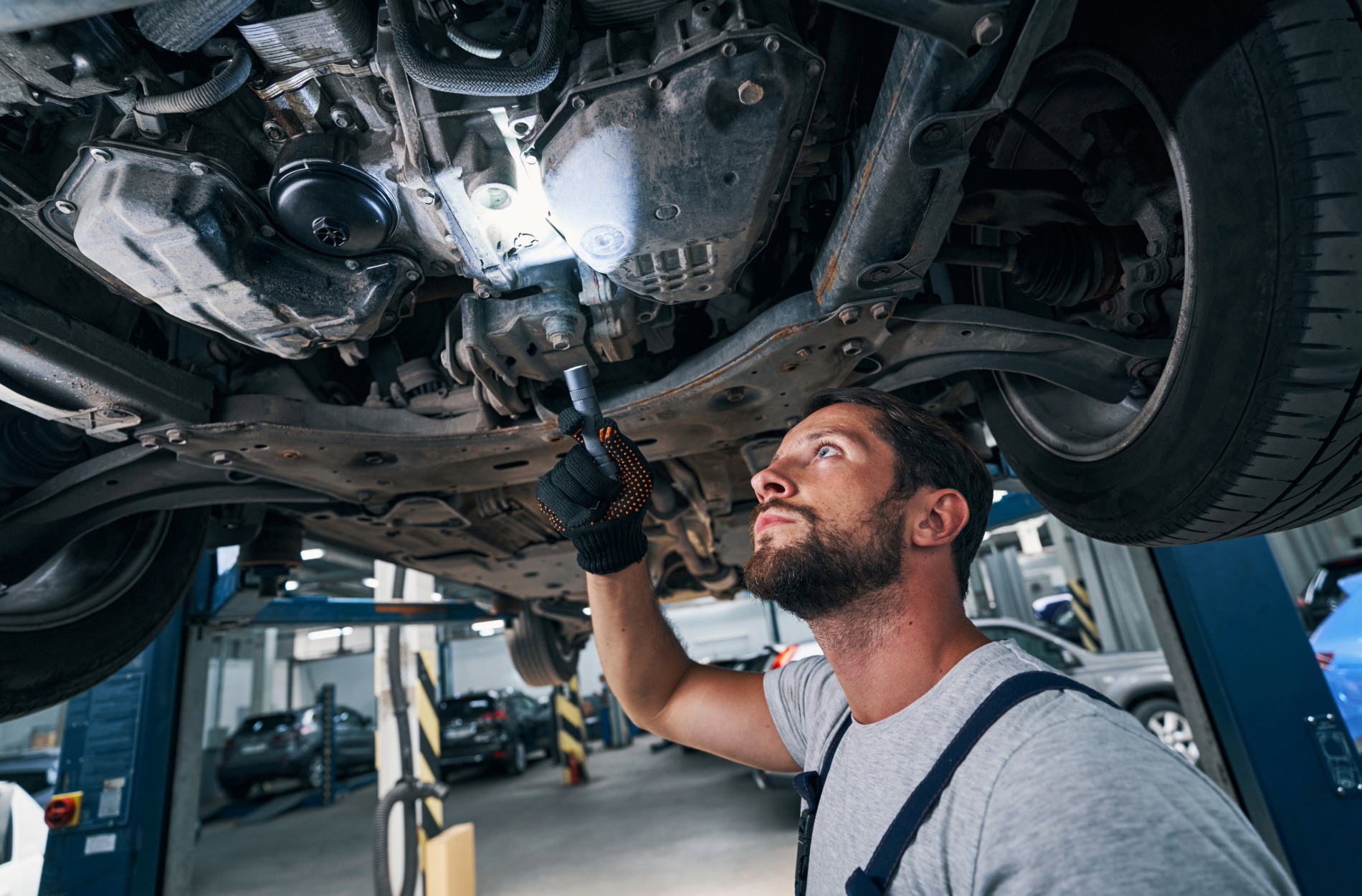
When the cold hits Akron, Ohio, the roads quickly turn into a slippery mix of salt, snow, and slush. While these treatments help keep drivers safe, they’re brutal on the underside of a car. Wet grime sticks to everything underneath and stays wet for days, sometimes longer. That’s where problems begin.
We often see rust start underneath a car before it shows up anywhere else. By the time you notice it on the surface, there may already be deeper damage hiding out of sight. That’s why car underbody rust protection is such an important step in this part of the country, especially before winter settles in for good. Let’s take a closer look at why this kind of protection matters and what really happens beneath your vehicle when snow season starts.
Why Rust Starts Underneath First
Underneath your car is where winter hits the hardest. That part of the vehicle gets the most exposure to road salt, puddles, and packed snow. It’s not easily cleaned, and it takes longer to dry, often not drying at all once the temperatures dip below freezing.
This area includes the metal parts that make up your car’s structure and safety systems:
• Frame rails, which hold the body together
• Suspension parts, which help your car absorb bumps and handle turns
• Rocker panels, which run along the sides under the doors
All of these take a beating during an Ohio winter. Road salt creeps into small gaps and lingers, even after short thaws. The moisture and salt mix is rough on any exposed metal and especially damaging in tight spots that trap it in.
Rust starts small but spreads fast in conditions like these. Many drivers don’t look underneath their vehicles often, so corrosion can begin quietly and worsen before anyone sees the signs.
It’s worth noting that winter roads don’t just have one kind of debris. Along with the salt, sand and grit from plows cause friction against the undercarriage, scraping away at any natural protective coatings left from the factory. Metal that loses its factory layer becomes an easy target for corrosion. Once the base protective coat is breached, even small amounts of moisture will work into these weaknesses and start the rusting process deep inside seams and corners.
To make things more challenging, heated garages can sometimes make rust happen faster. If you park a salt-covered vehicle in a warm spot, the saltwater stays in contact with the metal and works its way farther into the cracks. Cold garages slow the process somewhat, but even then, a lack of airflow beneath the car can keep the underside damp for days at a time.
What Happens When Rust Is Left Alone
When people think of rust, they picture flaky metal or stained paint. But the truth is, rust can cause real weaknesses in important parts of your car. Once it starts, it doesn’t stop unless it’s treated.
Here’s what we often deal with when rust goes unchecked:
• Metal parts begin thinning out, so they can bend or snap under pressure
• Rusty brackets and bolts lose their strength, causing parts to loosen
• Brake and steering components can corrode, affecting how your car responds
Even a small patch of rust, if it’s in the wrong place, can lead to expensive repairs or safety issues. The longer it’s ignored, the more it spreads, from surface rust to deeper, structural problems. That’s why catching it early and protecting metal before winter really kicks in makes such a difference.
Many car owners don’t always realize that surface rust is just the beginning. Over time, rust can creep along seams into the inside of frame rails and across parts that are difficult to inspect. This creeping damage weakens the entire structure and can make future repairs more challenging. Emergency repairs often end up being much more costly than small preventative steps. Rust in the wrong place can mean longer times in the shop and worries about the safety of your car.
Besides the parts you see, the real trouble shows up in places like the brake lines or support brackets. If rust damages these types of hidden areas, problems may not show up until something fails. In a winter like Akron’s, where quick changes between cold and thaw are normal, that’s a big risk for anyone on the road.
How Underbody Protection Actually Works
Car underbody rust protection doesn’t just put a layer on top of the metal. It needs to work from the inside out, especially in areas that salt and water are drawn into. The underbody includes hollow parts, seams, and frame rails that can’t be covered well with basic sprays or paint.
Here’s how the protection goes on:
• An oil-based product is applied using high pressure and heat, helping it reach deep into seams and rust-prone areas
• The product coats the metal, even the rusted spots, by pushing out moisture and soaking into the surface
• The oil barrier stays active throughout winter; it doesn’t dry hard, so it keeps protecting as long as it stays in place
This isn’t something regular cleaning or a surface spray can replace. It’s a process that gets into places you don’t see, including inside the doors, under suspension components, and around the spare tire. Once applied, it works through the season to slow down rust before it has a chance to grow.
Unlike some coatings that dry and crack over time, the right oil-based barrier stays flexible. This means it keeps moving into seams and over rough spots on the metal, making sure it covers everywhere salt can hide. If there’s already some rust, the heated spray travels through the rusty layer, forcing moisture out and sealing what’s underneath.
For the best protection, every inch counts. The technician’s skill and the quality of the product both play a part. Clean tools, careful application, and a standard process make sure every nook and cranny gets covered, especially the parts that face the worst road grime. That’s what separates quick jobs from treatments that truly last through the harshest months.
Why Timing Matters Most in November
In Akron, Ohio, the weather begins changing fast by mid-November. Roads may already see light salt treatments, and overnight frost becomes common. Once road salt gets packed underneath the car, it doesn’t shake loose on its own. That buildup is when rust kicks in with full force.
Getting protection applied during November gives you a window before the worst part of winter arrives. Here’s why that timing matters:
• Salt hasn’t had time to do much damage yet
• Temperatures help the oil product settle and start sealing right away
• There’s time for coverage to reach hidden spots before snow packs in for months
Waiting until it’s already coated with slush and grime can make it harder for any product to stick properly. November tends to offer just the right combination of weather and time on the road to make protection work at its best.
Scheduling a treatment before heavy snow hits means your vehicle will go into winter with a strong layer between salt and metal. When people wait until late in the season, they risk letting some rust form before anything can be done. Having a professional apply the product just ahead of the deep cold is the best way to keep those tough-to-reach spots safe from the very start of the season.
Another bonus to treating early is keeping the undercarriage cleaner throughout the winter. The oil-based barrier can help keep road grime and salt from sticking as tightly to the metal, making any future cleaning easier once spring rolls in. These small details add up to a much better chance that your car makes it through the season without new hidden rust patches.
Better Protection Starts with the Right Process
Spraying on a product is one thing. Doing it the right way, targeting every single area that needs it, is something else. When we think about underbody protection, we don’t just spray and hope. There’s a careful process that ensures no part is missed.
That process includes:
• Getting the car up on a lift to reach deep underneath
• Using tools that can probe into rocker panels, frame rails, and doors
• Applying heated oil at high pressure so it soaks into seams and rusty layers
Technicians using an exact method every time is what makes a difference. The parts above and below the spare tire, behind the wheels, and deep in the frame all need attention. Without the proper equipment or care, some areas stay vulnerable. That’s why it often comes down to how the work is done, not just what product is used.
Certified application and regular reviews help keep the protection consistent. We aim to reach every spot where cold slush and road salt try to hide.
There are other details that matter, too. Proper underbody protection doesn’t require you to remove your spare tire. Skilled technicians use special wands to spray a fine mist above and below the tire, reaching areas that would otherwise be missed. The heated, high-pressure spray moves into porous rusty spots as well as smooth metal, providing a fuller, longer-lasting barrier. With the right process, your vehicle’s underside gets coverage that stands up all winter, from the first snowflake to the spring thaw.
Regular training for technicians and routine checks of equipment make sure no step is skipped. Shops that stay up-to-date on best practices are better able to handle unique undercarriage shapes and older vehicles with tricky surfaces. Paying attention to these details is what sets comprehensive care apart during the toughest seasons of the year.
Don’t Leave Your Undercarriage Exposed in Akron, Ohio
One thing we do differently at Krown Akron is use a solvent-free, oil-based rust inhibitor that is sprayed above and below the spare tire and into hard-to-reach areas. Our certified technicians use a high-pressure wand to push the product through seams and into the hollow suspension and frame rails, and we’re recertified and inspected twice a year for quality. By focusing on all the tough spots beneath your car, we help seal moisture out before the toughest months arrive.
At Krown Akron, we understand how quickly winter weather in Akron, Ohio, can take a toll on your vehicle, especially with snow, salt, and cold in the mix. We go the extra mile to treat every hidden spot beneath your car before rust sets in. As road treatment season approaches, now is a great time to consider protecting those hard-to-see areas. Learn what’s included and how we apply our car underbody rust protection. Contact us to schedule your visit.
RELATED SERVICE
Car Undercoating in Akron, OH