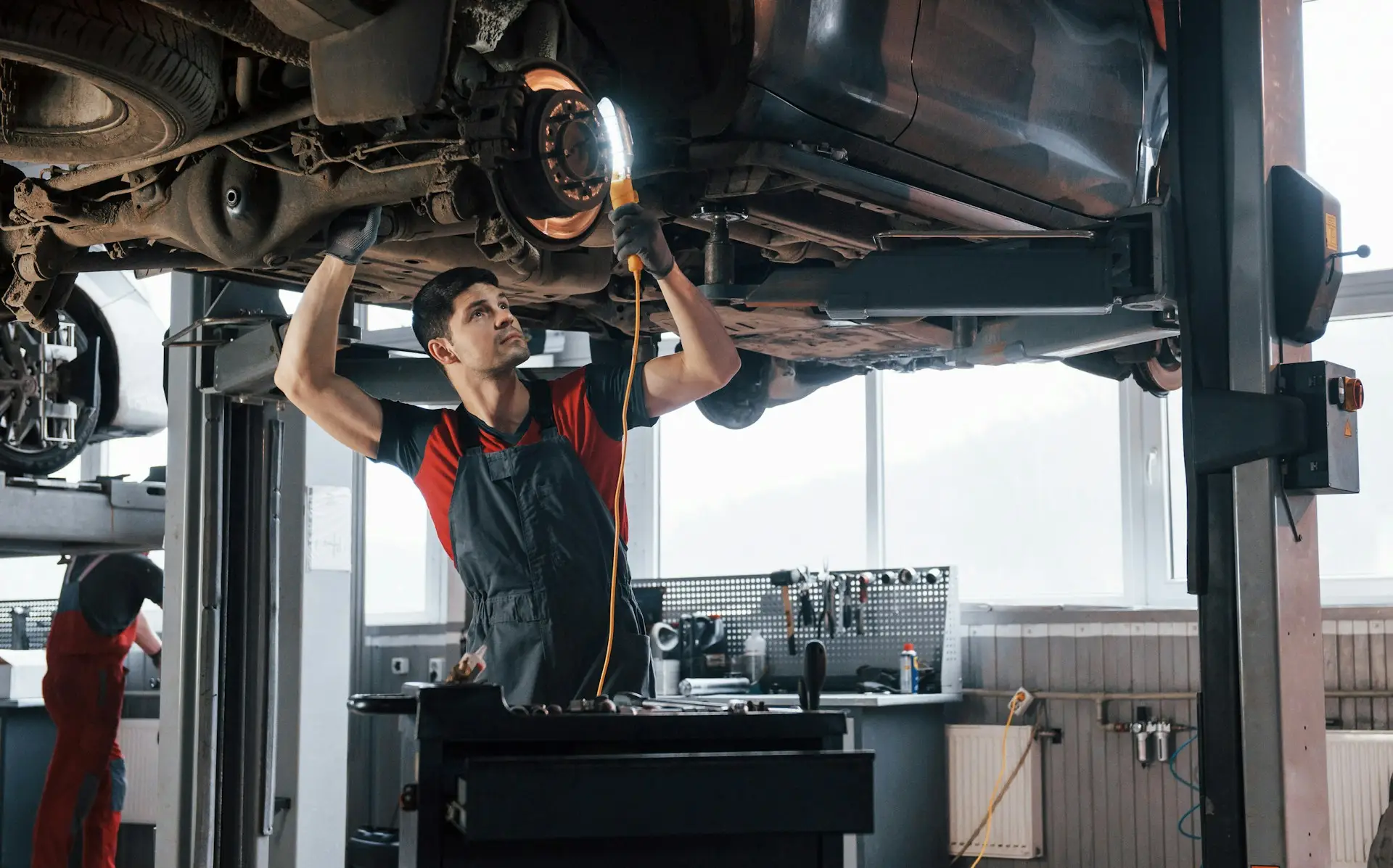
As Akron, Ohio, moves from salty roads to soaking rain, March becomes a key month to protect vehicles from long-term damage. Winter leaves behind layers of grime and road salt, and spring adds steady rain to the mix. That combination makes it easier for rust to take hold.
A rust coating for car surfaces can stop moisture from reaching deep into metal and seams. If the underbody stays wet, small rust patches can quickly grow into bigger problems. That’s why early spring isn’t the time to put off protection. Skipping it now could mean dealing with trouble later when it’s harder to fix.
Why Spring Rain Worsens Underbody Rust
Winter doesn’t just disappear the moment February ends. Between leftover salt and unpredictable March weather in Ohio, the bottom of your car stays damp far longer than it should. This gives rust the perfect chance to spread.
- When rain hits the roads, it washes salt around, soaking it into tight spaces in your vehicle’s underbody
- The damp, sticky blend clings to metal, including inside wheel wells, rocker panels, and frame rails
- Spring air may feel fresh, but temperatures stay low enough to slow the drying process, keeping moisture trapped where you can’t see it
That constant mix of salt and water is hard on metal. The parts you don’t check very often, like under the back bumper or between suspension arms, are some of the first places rust starts to grow. Once it does, it can move in fast.
What Happens If You Skip Rust Protection Now
It’s easy to ignore rust until it shows up in plain sight. By the time it’s visible, it’s already done some damage. Skipping rust protection now means you’re giving corrosion a head start while the conditions are just right for it to spread.
- Surface rust can creep into joints or seams, slowly reaching deeper metal
- Important parts like brake or fuel lines can weaken long before they show signs on the outside
- Suspension pieces often start to fail quietly, with rust hiding behind bushings or bolts
When spring weather keeps the base of your car wet for days, anything left uncoated is at risk. The damage doesn’t stop when things finally warm up. Once rust has a foothold, it works year-round, quietly breaking down parts you rely on to stay safe and drive smoothly.
How Rust Coating Works to Protect Your Car
A good rust protection coating acts like a barrier between water and metal. We use an oil-based product that flows into tight cracks, fills hollow spaces, and wraps around components where moisture tends to hide.
- The product is heated and sprayed under pressure, which helps it reach into hidden areas and behind parts
- It doesn’t dry like paint, so it keeps creeping over time, following seams and edges as they shift with driving
- On rusted pieces, the coating pushes moisture out of the metal and finds healthy surfaces to seal
Krown’s product is solvent-free and safe for electrical connections. Even spots that already show signs of rust can still benefit. When sprayed at 1200 psi and heated to 140 degrees, the coating penetrates old rust and reaches the underlying structure. That helps prevent rust from going any deeper, giving the metal a better chance of lasting longer.
Why Early March is the Right Time for Rust Coating
Early March is the right time to act because it catches that short window between winter’s damage and spring’s steady moisture. Around Northeast Ohio, roads are still wet, trucks still carry salt buckets, and rain is just starting to pick up.
- Moisture sits longer on your frame after each drive, especially on milder March days
- Coating now can reach early rust before it spreads, and cover vulnerable clean spots before water finds them
- Cars that went uncoated during winter need help now before rust gets worse, especially in areas with slush splash or wheel well buildup
Waiting too long can mean prepping for rust instead of stopping it. Coating in March gives your vehicle a better chance to dry properly and stay clean on the inside, even when the outside keeps getting hit with wet roads.
What Areas Get Treated During a Full Application
A full protective coating takes more than just a quick spray underneath. Every corner where water likes to hide needs attention. We make sure to treat both the easy-to-see areas and the hidden parts where rust starts first.
- Inside the doors, quarter panels, engine bay, hood, and rear hatch
- Trucks get sprayed down both sides of the bed using a long wand after tail lights are removed
- Underneath the vehicle, we spray the frame, suspension, rocker panels, and wheel wells
The wand we use even reaches above the spare tire, so there’s no need to take it out. Our heated spray creates a light mist that wraps around parts and fills cracks. After treatment, it’s fine to give the exterior a normal wash after 24 to 48 hours. Just wait two to three weeks before getting the underbody pressure-washed, so the coating has time to settle in.
Keep Rust from Spreading Before It Starts
Spring doesn’t look dangerous, but it can be hard on vehicles in quiet ways. Rainy drives through Akron, Ohio, still stir up salt that never got fully cleaned off the roads. That means your car is getting hit with a steady mix of grime that can sit in hidden places for weeks.
Taking time in early spring to protect those areas means stopping trouble before it spreads. Getting a rust coating for car parts now blocks moisture from soaking in, even if rust has already started. That protection can help suspension pieces stay strong, and metal parts stick around longer than they would on their own.
Rust doesn’t need a big hole or glaring spot to start doing damage. It just needs water and time. Making sure your car isn’t going through spring unprotected gives it a better shot at staying reliable through the seasons ahead.
At Krown Akron, we understand how quickly rust can develop once spring arrives, especially with lingering salt and wet roads around Akron, Ohio. Acting early helps prevent minor rust from turning into bigger, costly issues. If your vehicle was unprotected this past winter, now’s the perfect time to take steps that help stop rust from spreading. Take a look at what’s included with a rust coating for car surfaces to plan ahead. Contact us today to schedule and keep your vehicle road-ready all season long.
RELATED SERVICE
Car Undercoating in Akron, OH